The ripped bob has officially claimed its spot as the season’s most coveted haircut, offering a refreshing departure from the uniform, blunt styles of the past. Characterized by strategic, choppy layers and a lived-in texture, this cut brings an edgy, modern sensibility to the classic bob. No matter if you are looking to add movement to fine hair or seeking a low-maintenance style that ‘radiates confidence’, the trendy 2026’s ripped bob is a ‘masterclass in effortless chic’. In this guide, we give definition what the ripped bob is, break down how to style it, how to color, and maintain this versatile look to ensure it complements your features perfectly.
Advertisement-Continue Reading Below
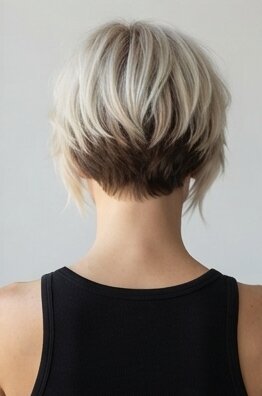
What Is the Ripped – Definition and Main Characteristics
So, as we said above, the ripped bob represents a deliberate departure from the rigid geometric lines of traditional blunt cuts, introducing a heavily textured, shattered aesthetic to short hair. At its core, this haircut relies on advanced point-cutting and slicing techniques to intentionally fracture the perimeter. Instead of a solid horizontal weight line, the ends are left uneven, airy, and distinctly piecey, creating a silhouette that looks lived-in from the moment it is cut.
The main characteristics of a classic ripped bob center around its structural weight removal and movement. Key defining elements include:
- Shattered Perimeters: The baseline of the haircut is point-cut deeply to remove bluntness, resulting in a jagged, feathered finish rather than a uniform edge.
- Internal Seamless Layering: Invisible or soft internal layers are woven throughout to build crown volume and eliminate the bulk that often causes shorter styles to flare out into a triangular shape.
- High-Contrast Texture: The cut is specifically engineered to maximize the hair’s natural separation, making it incredibly responsive to texturizing pastes and dry sprays.
- Adaptive Length: While typically grazing the jawline or hitting just above the shoulders, the length is dictated by facial structure, using the fractured ends to soften a strong jaw or elongate the neck.
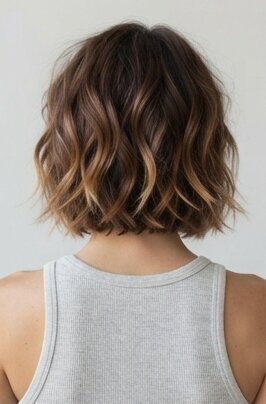
Where the Ripped Bob Came From – Origin
The ripped bob did not emerge overnight or emerge in a vacuum; it is the product of an evolution that spans decades of rebellious hair history. Its foundations can be traced back to the deconstructive philosophies of 1990s grunge, where the rejection of polished, high-maintenance salon blowouts gave rise to “undone” aesthetics. Influential stylists began to move away from the rigid, chemical-heavy shaping of the 1980s, favoring raw, razor-cut edges that signaled a shift toward individualistic, anti-establishment style.
Throughout the early 2000s, this “shattered” look began to migrate from underground subcultures into high-fashion editorial circles. Industry leaders transitioned the look by pairing its raw, jagged perimeter with refined, precision-based internal structure. This hybrid approach allowed the style to maintain its edgy DNA while gaining the versatility required for everyday wearability. Today’s iteration is less about the unkempt, rebellious spirit of its grunge predecessors and more about a calculated, minimalist approach to volume and movement, cementing the ripped bob as a staple of modern, architectural hair design.
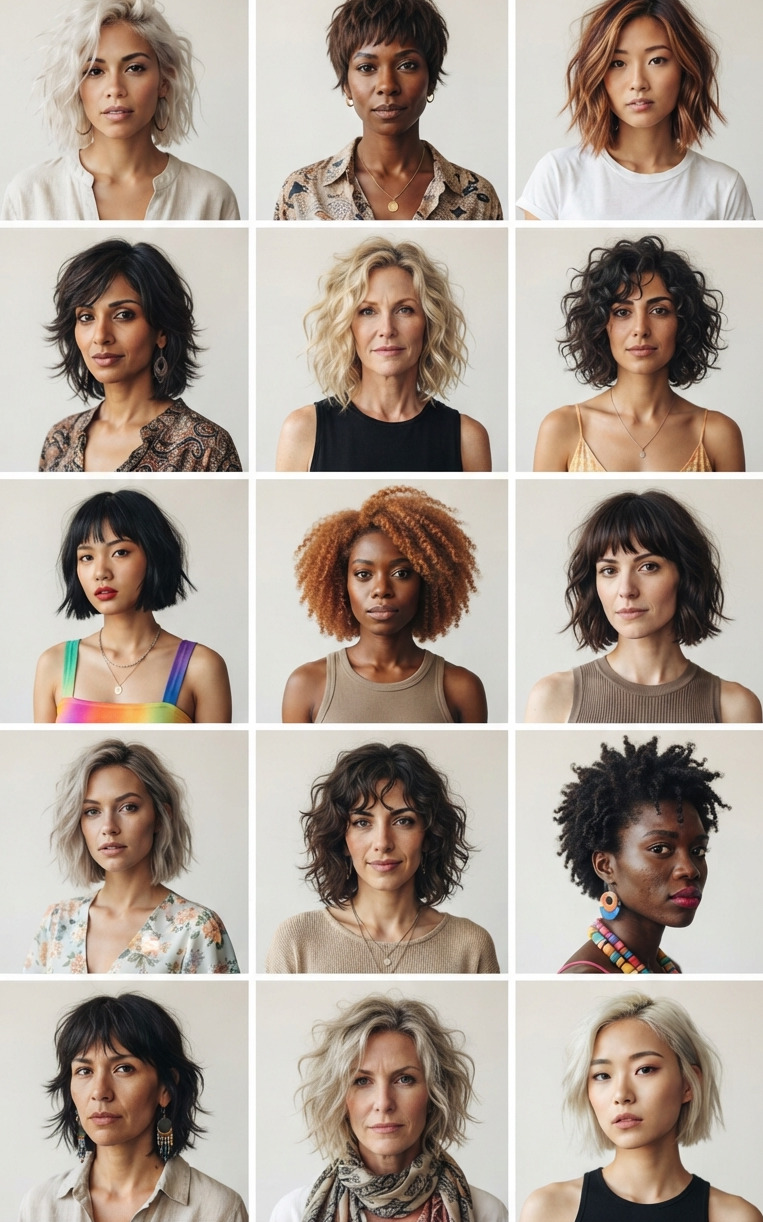
15 Ripped Bob Variations for Your Next Salon Visit
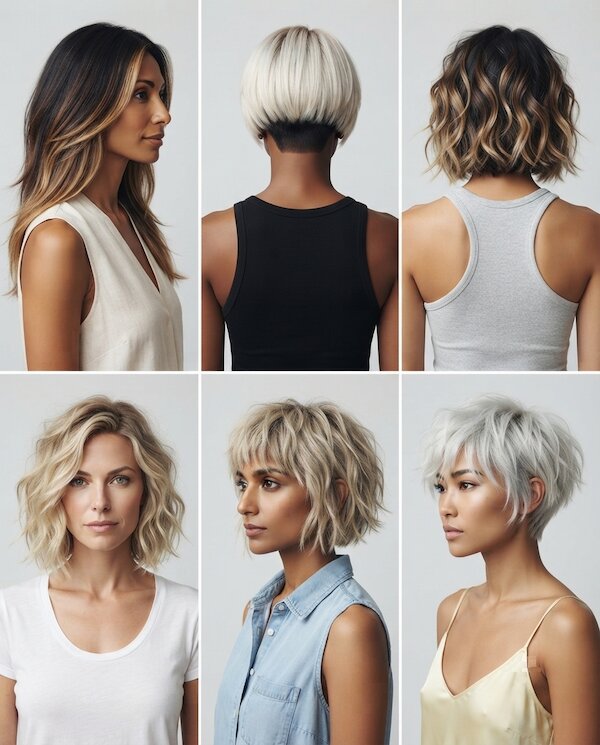
The beauty of the ripped bob lies in its adaptability. Depending on the density of your hair and the features you wish to highlight, this silhouette can be customized to offer everything from soft, face-framing elegance to sharp, avant-garde geometry. Below are 15 variations to consider for your next transformation. Photos – below.
- The Shattered Jawline Bob: A sharp, chin-length cut with heavy point-cutting at the perimeter to prevent a blocky appearance.
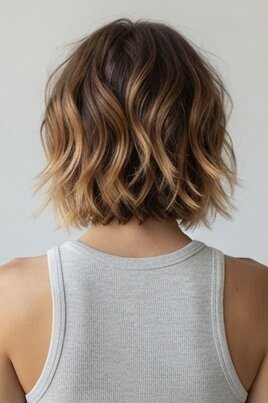
- Tousled Wavy Ripped Bob: A slightly longer version that works with natural wave patterns, emphasizing texture through hidden, weight-removing internal layers.
- The Asymmetrical Ripped Cut: Featuring one side slightly longer than the other, this variation uses jagged ends to soften the transition between lengths.
- Polished Piecey Bob: A sleek version where the ripped ends are kept slightly structured using a high-shine finishing serum for a modern, architectural look.
- The Shaggy Ripped Bob: Incorporates more layering throughout the crown to create a voluminous, 70s-inspired silhouette with a modern, shattered finish.
- Micro-Fringed Ripped Bob: Pairs the textured, uneven ends of a ripped bob with blunt, baby bangs to create a striking contrast in geometry.
- The Inverted Ripped Bob: Longer in the front and significantly shorter in the back, utilizing razor-cut techniques to make the nape appear weightless.
- The Soft-Curve Ripped Bob: Specifically designed for rounder faces, this cut incorporates soft, face-framing angles that transition into a shattered, airy perimeter.
- Platinum-Defined Ripped Cut: High-impact color choices, like a monochromatic platinum, emphasize the negative space between the fractured ends.
- The Deep-Part Ripped Bob: A dramatic side part combined with shattered, asymmetrical lengths provides an instant boost in root volume.
- The Nape-Length Ripped Bob: A very short, minimalist take that keeps the focus on the neck and jawline with highly texturized, cropped ends.
- The Ribbon-Light Ripped Bob: Uses strategically placed, low-contrast highlights to emphasize the movement and individual sections of the choppy ends.
- The Blunt-to-Ripped Hybrid: Retains a subtle, heavier base line while the top layers are heavily texturized, offering a more controlled, professional take on the trend.
- The Mid-Length Shattered Bob: A collarbone-grazing length that provides the versatility of a longer style with the edge of a ripped perimeter.
- The Undercut Ripped Bob: Features a subtle shave at the nape to reduce bulk, allowing the remaining hair to fall into a perfect, piecey shape.
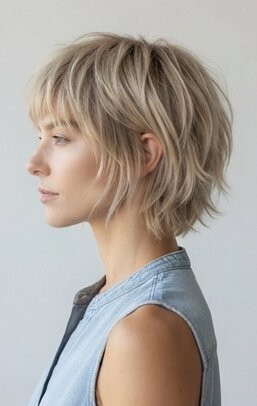
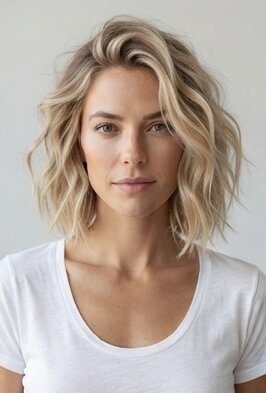
Mastering the Ripped Bob Silhouette
The beauty of the ripped bob lies in its versatility. Unlike traditional bobs, the “ripped” variation utilizes point-cutting techniques to create jagged, airy ends that soften the jawline. This structural approach allows the hair to fall naturally, creating a sense of weightlessness that is incredibly flattering.

Styling for Effortless Texture
To achieve that signature “ripped” look, the goal is to enhance your natural hair texture rather than fighting it. Start by applying a texturizing sea salt spray or a lightweight mousse to damp hair. Use a diffuser if you have natural waves, or create soft bends using a flat iron, pulling the hair outward at the ends to emphasize the jagged, choppy layering. Finishing with a matte pomade or a light-hold dry texture spray will ensure the layers remain piecey throughout the day.
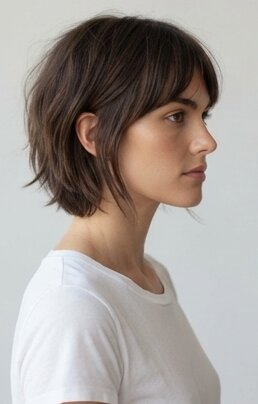
Color Trends and Dimensional Highlights
Color is the secret weapon for accentuating the ripped bob’s movement. Subtle balayage highlights that frame the face draw attention to the texture of the ends. For a more dramatic effect, consider “ribbon lights”—thinner, more concentrated highlights—that weave through the layers. If you prefer a monochromatic look, a deep, glossy espresso or a multidimensional honey blonde can provide a sophisticated backdrop that makes the textured cut stand out.
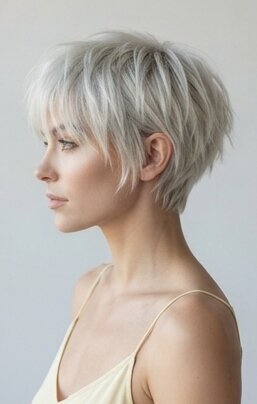
Expert Tips and Maintenance
Keeping a ripped bob looking fresh requires more than just a great initial cut; it is about proper maintenance. Because the ends are intentionally textured, they can become prone to dryness if not properly nourished. Integrate a weekly deep-conditioning mask into your routine and reach for a heat-protectant serum before heat styling to keep the ends sharp and defined rather than frayed.
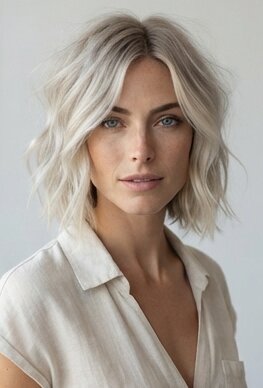
Frequently Asked Questions (FAQ)
In case you have some questions left – here are the answers.
Is the ripped bob suitable for all hair types?
Absolutely. The ripped bob is incredibly adaptable. Fine hair benefits from the added volume provided by the layers, while thick hair gains lightness and movement, preventing that dreaded “triangle” shape.
How often do I need to visit the salon for trims?
To maintain the integrity of the choppy layers, it is best to schedule a trim every 6 to 8 weeks. This keeps the ends looking intentional and prevents the cut from growing out into a standard, blunt bob.
Can I wear a ripped bob if I have curly hair?
Yes, and it looks stunning. The key is to cut the hair while it is dry to ensure the layers fall exactly where they should. The result is a highly textured, voluminous style that celebrates your natural curl pattern.
The ripped bob is more than just a passing trend; it is a sophisticated, versatile approach to hair that prioritizes movement and personality. By embracing the choppy, layered nature of this cut and pairing it with the right styling products, you can achieve a look that feels both curated and effortlessly cool. Whether you opt for a sleek, polished version or a messy, beach-inspired aesthetic, the ripped bob offers the perfect foundation for expressing your individual style with modern, refined edge.
Advertisement: