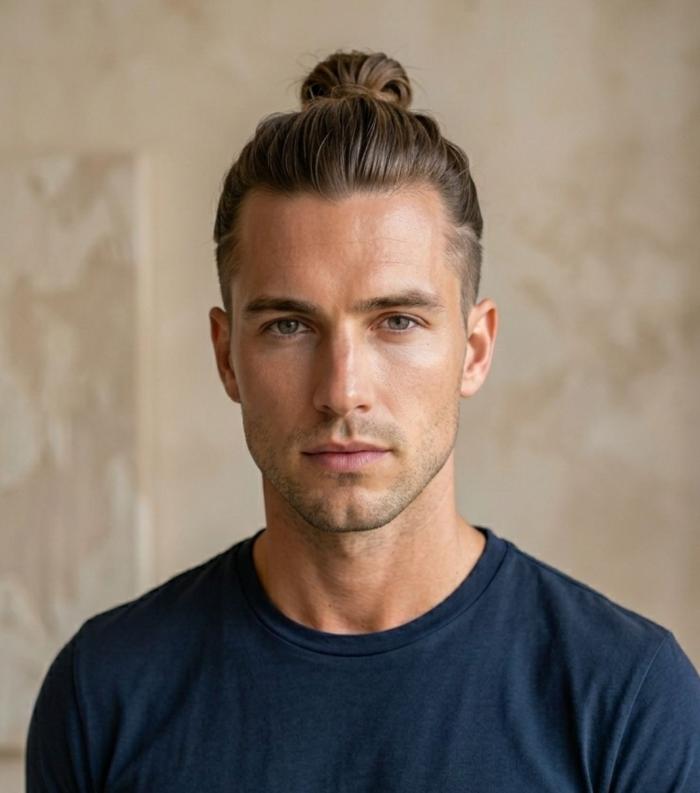
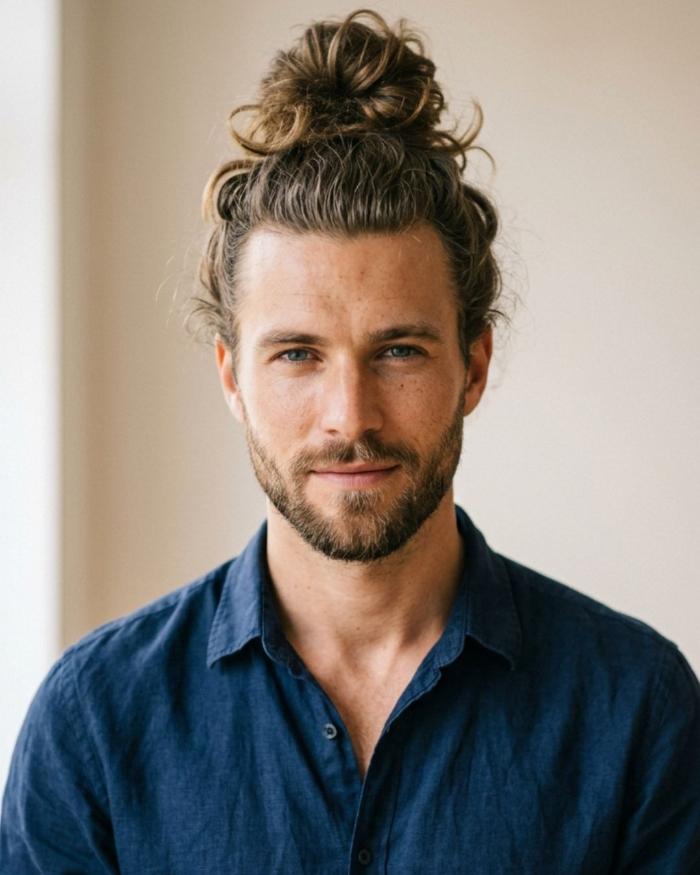
Gay men’s haircuts in 2026 aren’t just about style—they function as a visual language of gender expression, personal identity, and quiet subcultural signaling.
Advertisement-Continue Reading Below
Hair has always carried more meaning than its practical purpose suggests, but in queer culture it often operates on an entirely different frequency. A haircut can signal belonging without explanation, shift how masculinity or softness is read on a face, or quietly reject the idea that there’s a “correct” way to present yourself. In 2026, the most interesting gay men haircuts are not defined by perfection, but by adaptability—styles that evolve with mood, growth, and intention rather than staying frozen in a single idea.
This guide explores the most relevant queer hairstyles for men right now, how they function in real life, and why certain cuts have become cultural shorthand in LGBTQ+ grooming spaces.
What Are “Gay Haircuts”? A Definition
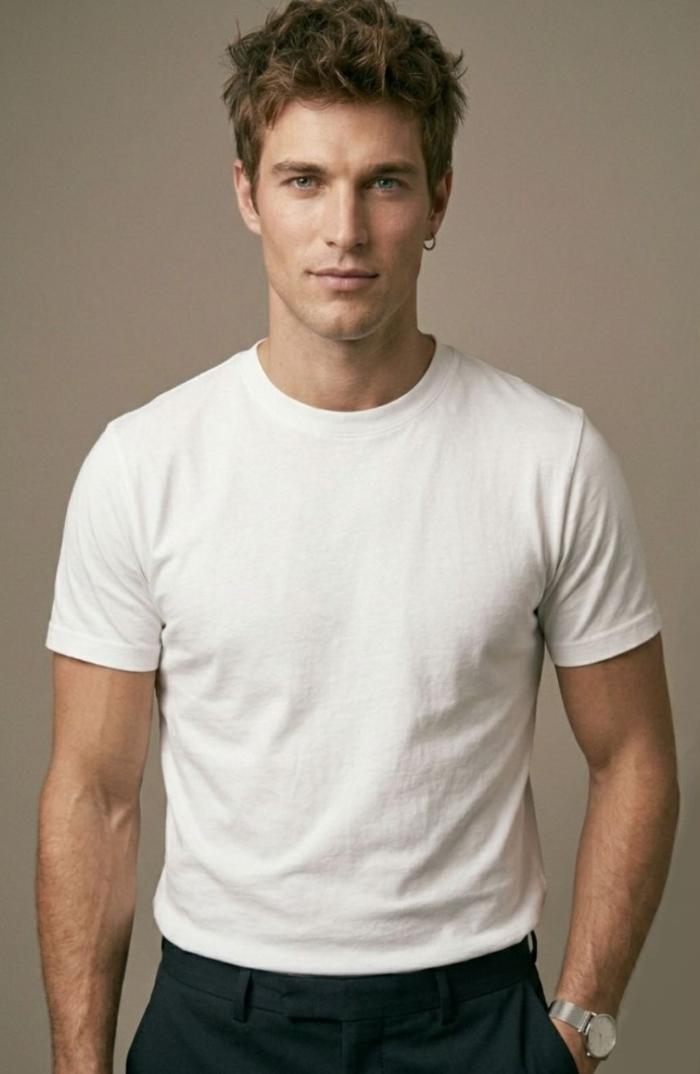
“Gay haircuts” is not a technical category of barbering—it’s a cultural shorthand used to describe hairstyles that have historically circulated within queer men’s communities and LGBTQ+ spaces, often before becoming mainstream trends. The term doesn’t refer to a fixed set of cuts, but rather to an evolving aesthetic language shaped by self-expression, subculture visibility, and gender-fluid styling choices.
In practice, it includes styles like textured mullets, wolf cuts, bleached buzz cuts, soft fades, and reworked classic silhouettes that prioritize individuality over convention. What connects them is not the haircut itself, but how it is worn: intentionally, experimentally, and often outside traditional expectations of masculine grooming.
In modern beauty and fashion contexts, the phrase is increasingly used as a trend label for SEO and editorial organization—not to define identity, but to map influence. Many of today’s mainstream men’s hairstyle trends have roots in queer styling spaces long before they appeared on runways or celebrity red carpets.
Types of Gay Men Haircuts by Style Category
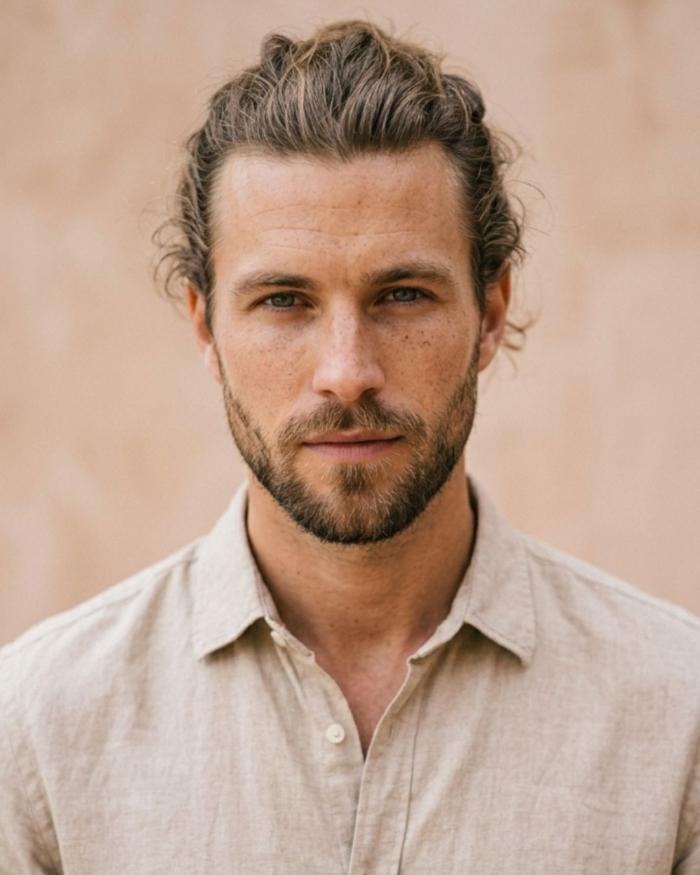
To understand modern queer hairstyles, it helps to stop thinking in isolated cuts and start thinking in categories. Most trending looks in 2026 fall into three overlapping directions: structured precision, textured movement, and statement-driven contrast.
This breakdown reflects how barbers and stylists in queer-friendly spaces actually approach hair today—not as rigid templates, but as adjustable frameworks.
The Trendy and Edgy: Textured & Expressive Cuts
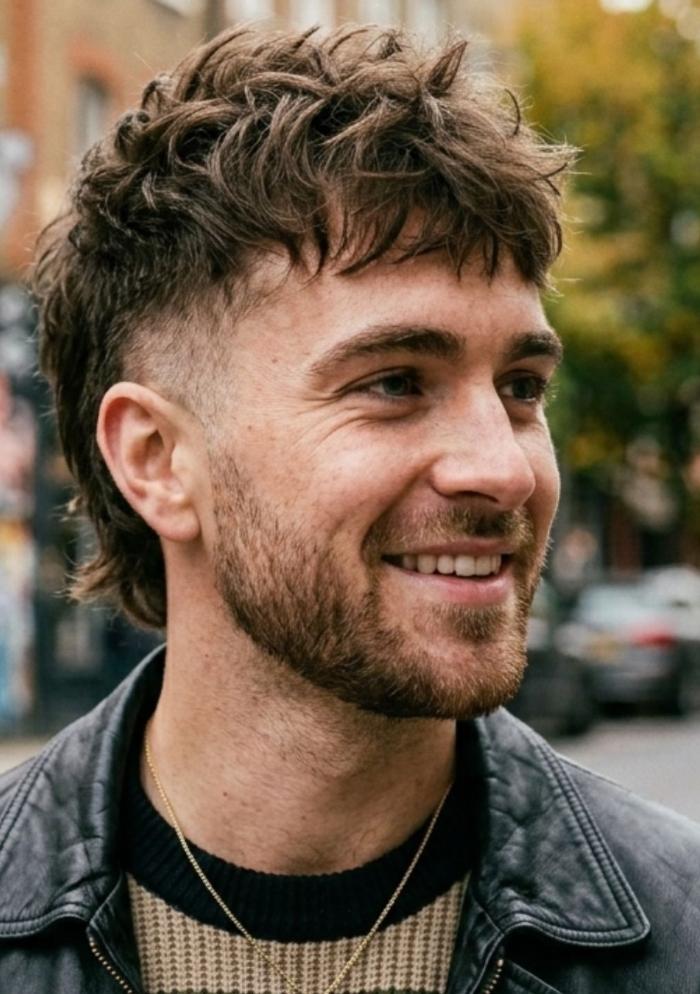
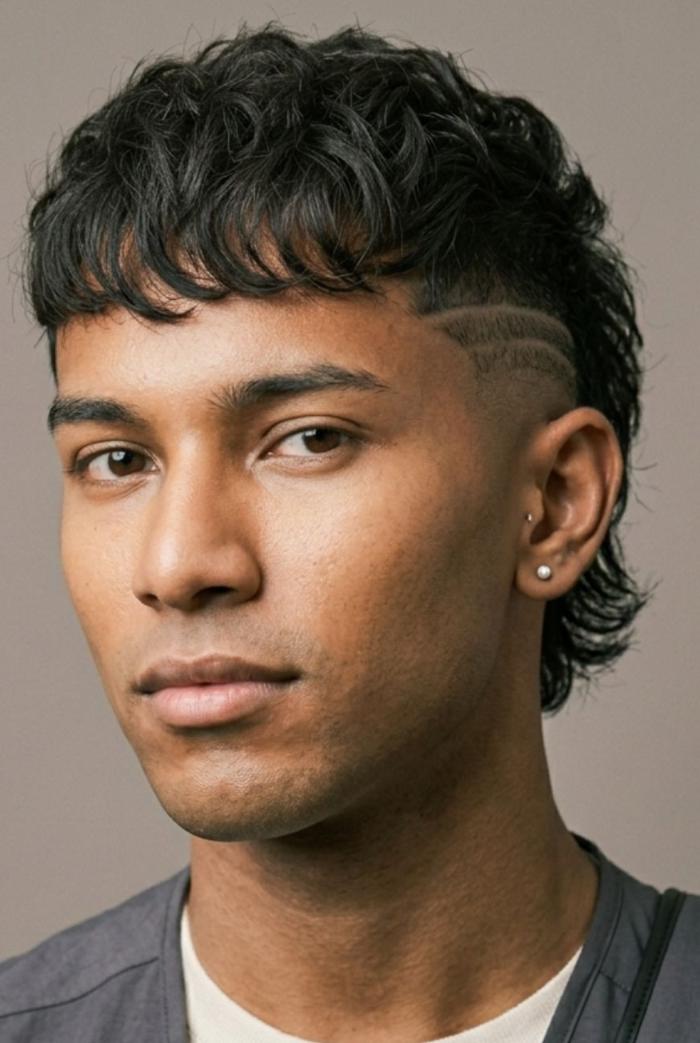
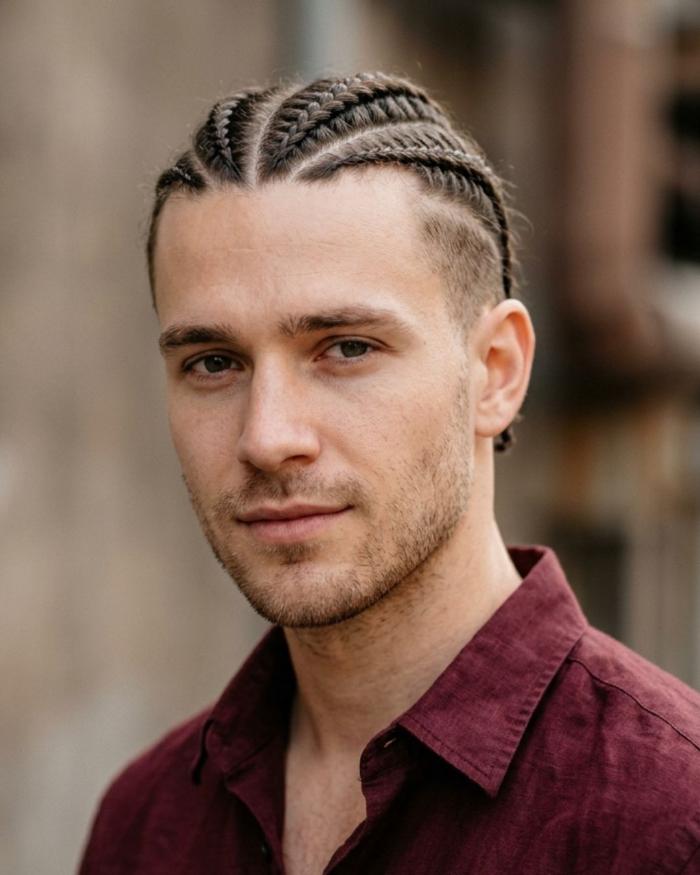
Textured and expressive haircuts allow for individuality, creativity, and a more fashion-forward appearance. Styles such as messy crops, shag cuts, and modern mullets add movement and personality while making a confident statement.
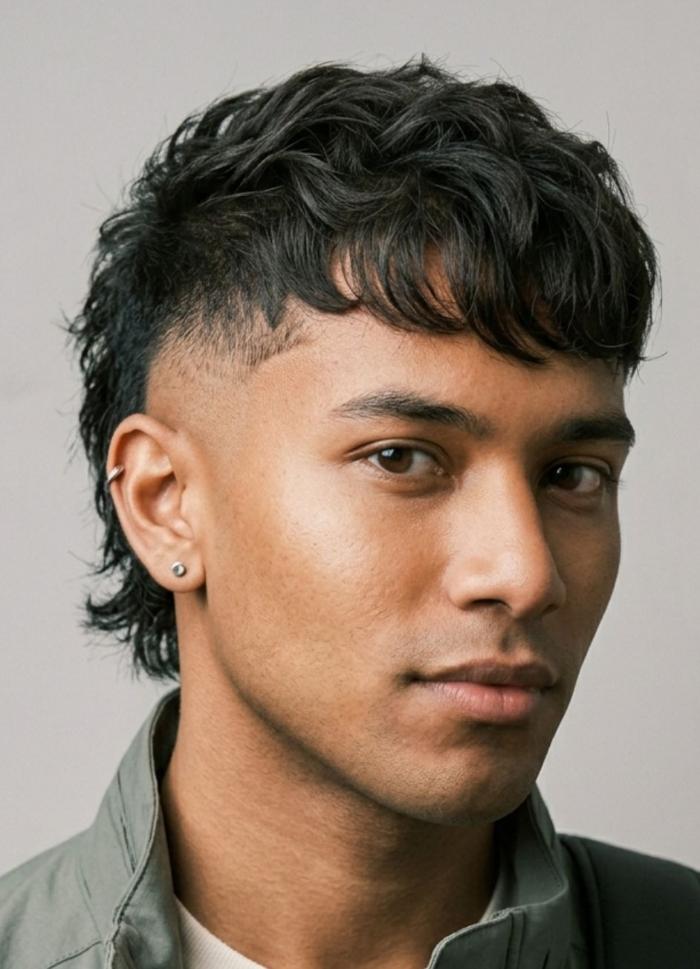
The Modern Queer Mullet / Shag
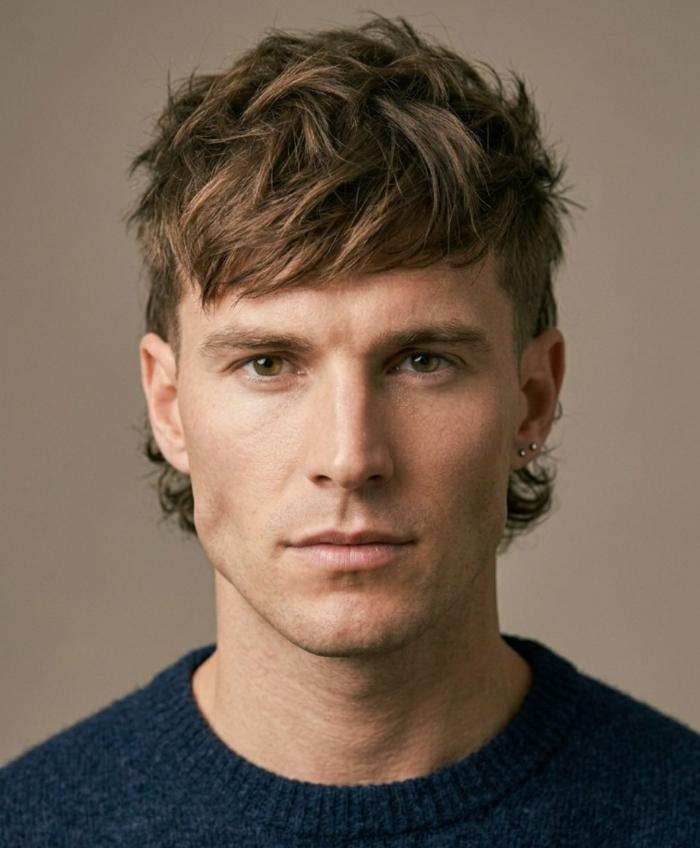
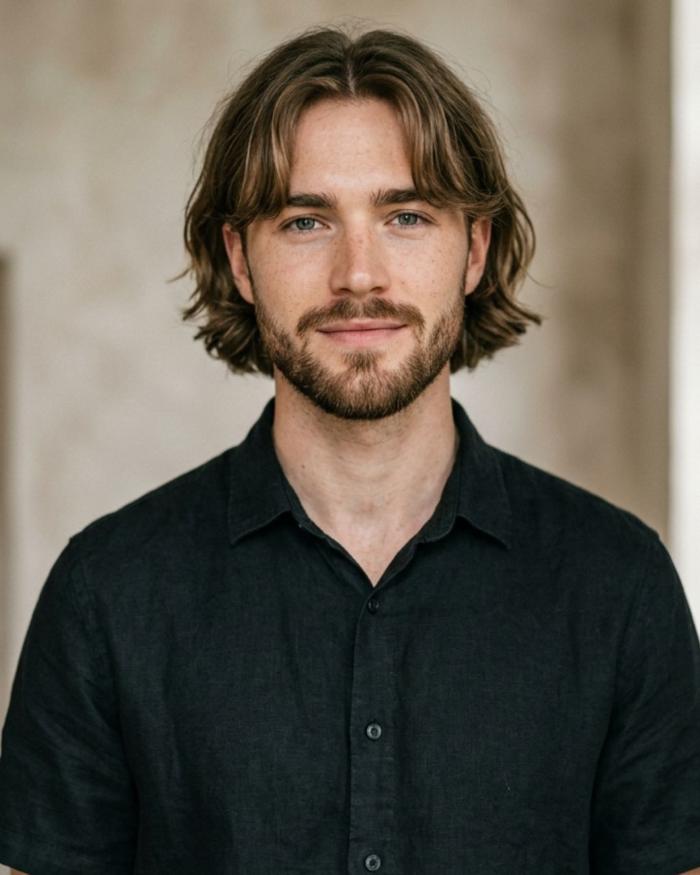
The modern mullet haircut for men has evolved far beyond its retro reputation. In its current form, it sits in the intersection of the wolf cut men trend and soft shag layering, where structure is intentionally loosened. The front remains wearable and clean enough for everyday environments, while the back carries controlled irregularity that introduces movement.
This style has become a recurring reference point in queer hairstyles because it avoids rigid categorization. It can lean masculine, androgynous, or expressive depending on styling, which makes it one of the most adaptable gay men haircuts in 2026.
The Wolf Cut (Men’s Gender-Fluid Texture Cut)
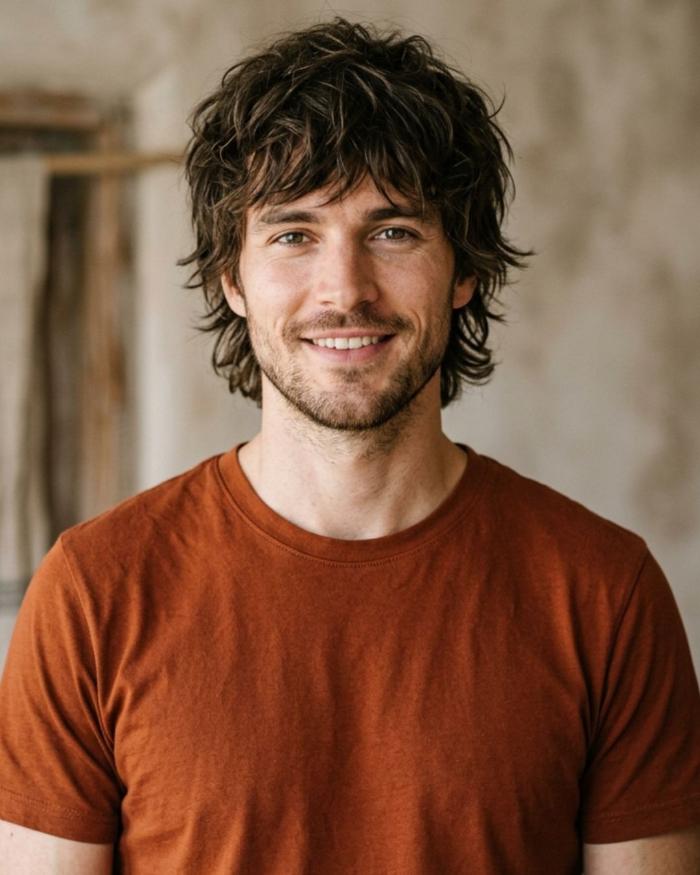
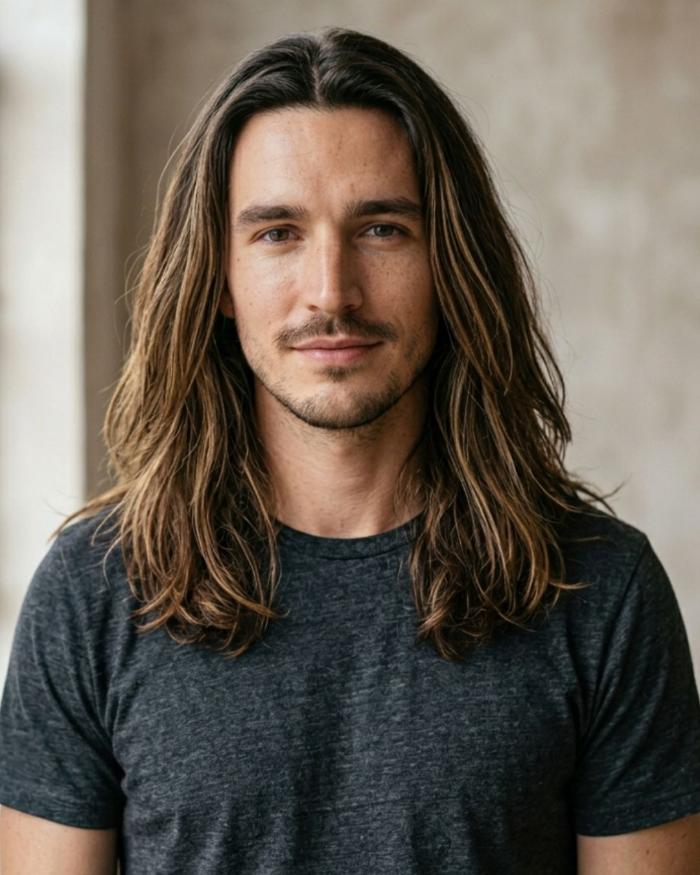
The wolf cut continues to dominate searches for queer hairstyles men because it refuses to settle into a single silhouette. Built from layered volume and soft disconnect, it creates a shape that feels lived-in rather than engineered.
What keeps it relevant is its flexibility across hair types and identity expression. It can read soft and romantic on curls, or sharp and edgy on straighter textures, making it a staple in gender-fluid grooming conversations.
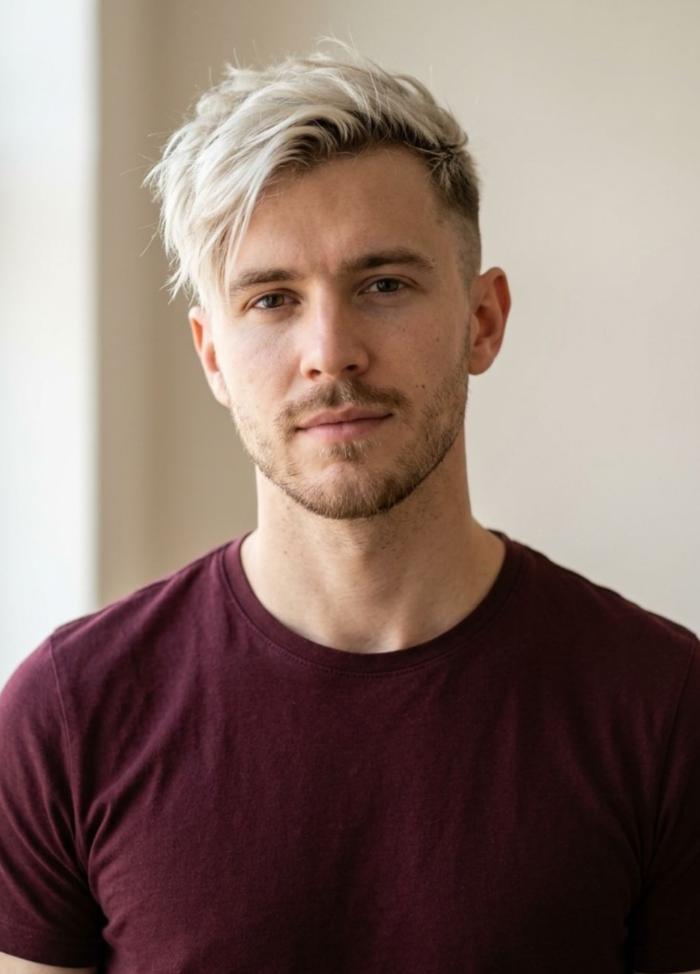
The Bleached Buzz Cut
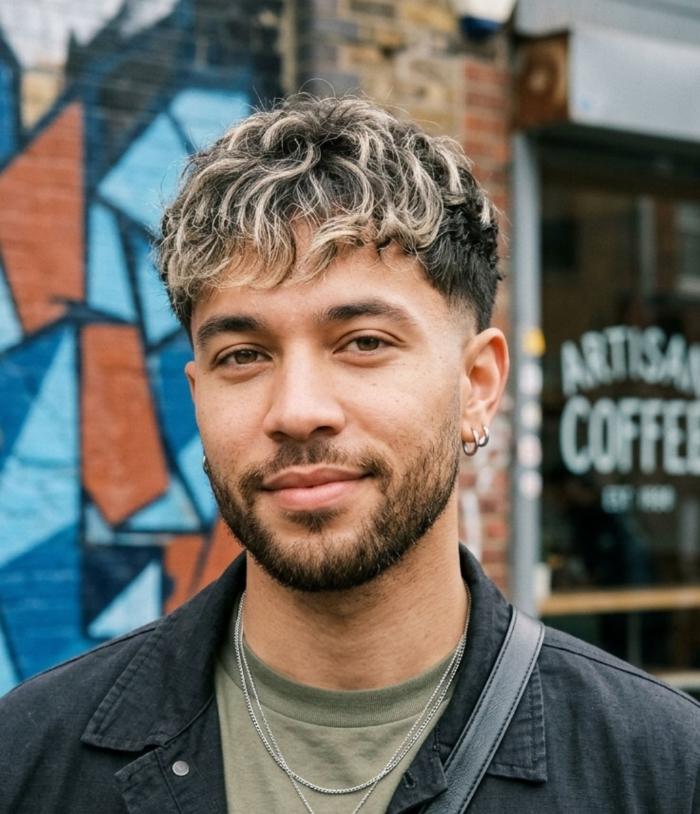
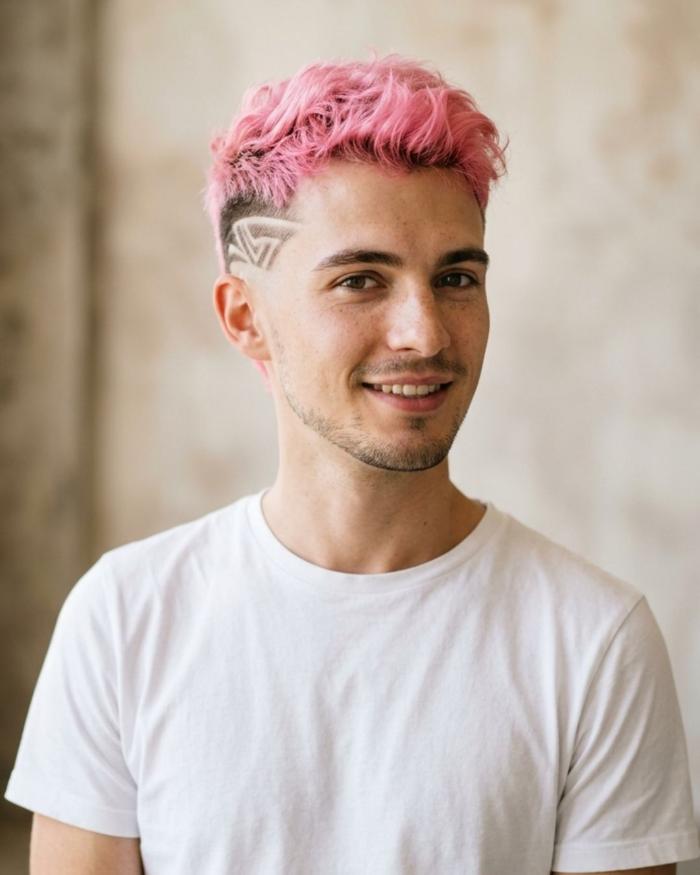
The bleached buzz cut sits at the opposite end of the spectrum: minimal length, maximum visual impact. It is one of the most searched modern men’s hairstyles fade alternatives, especially among people looking for a reset aesthetic.
What defines this cut is not the buzz itself, but the transformation layer added through color. Platinum, pastel, or high-contrast tones turn it into a shifting surface that evolves as roots grow in, making maintenance part of the design rather than a correction.
The Reimagined Classics: Fades, Crops and Structured Cuts
Classic men’s hairstyles continue to evolve through sharper detailing, cleaner lines, and contemporary styling techniques. Fades, French crops, and structured cuts offer a polished look that balances timeless appeal with modern trends.
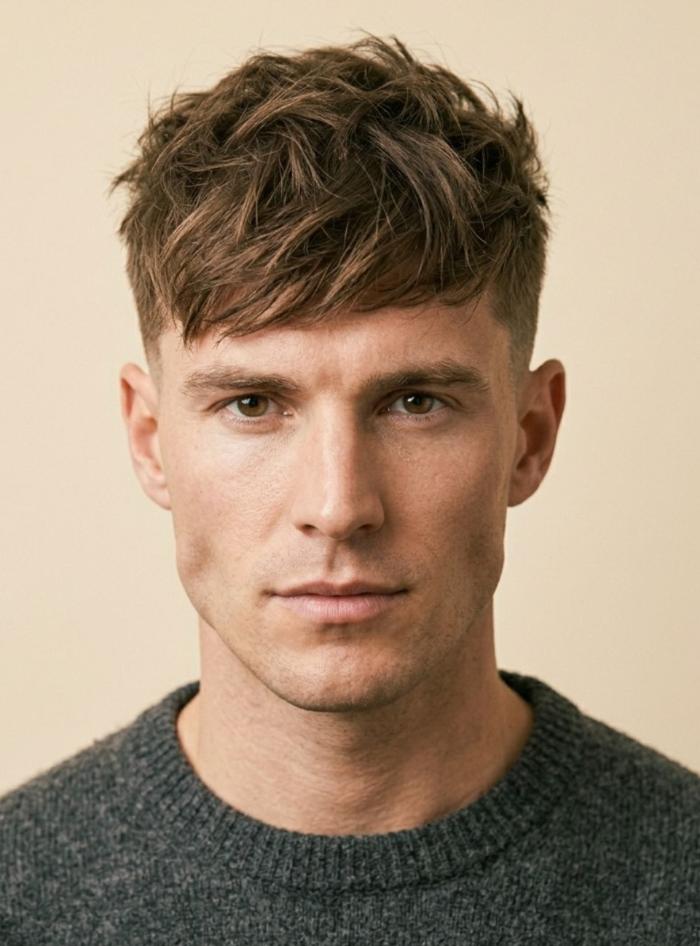
The Skin Fade with Textured Crop
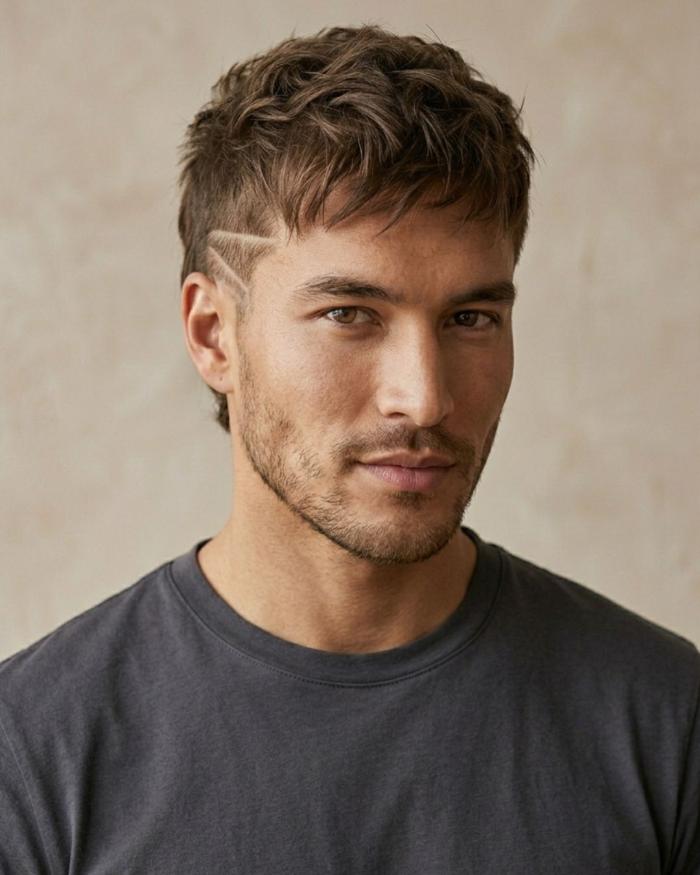
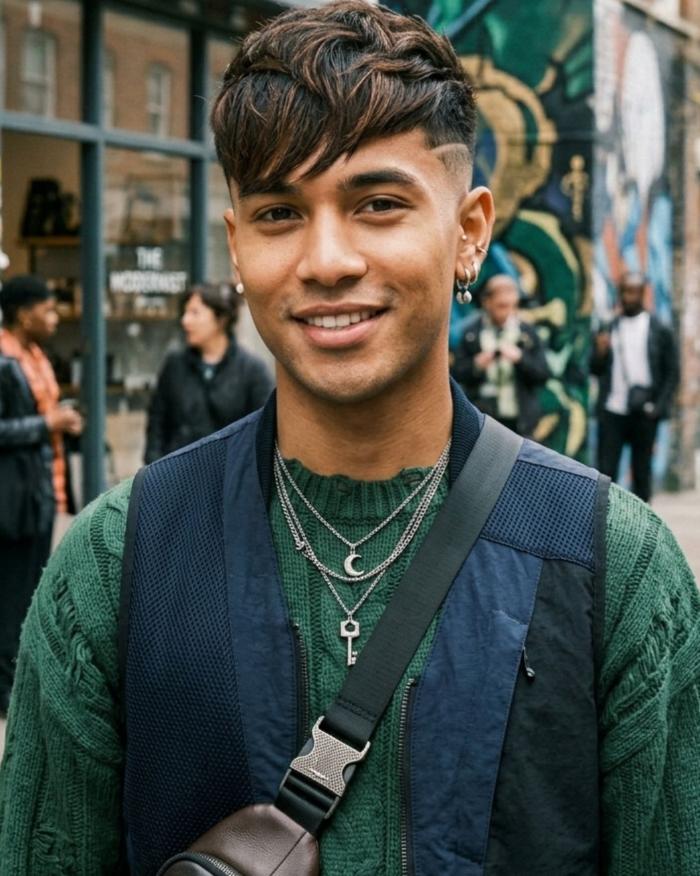
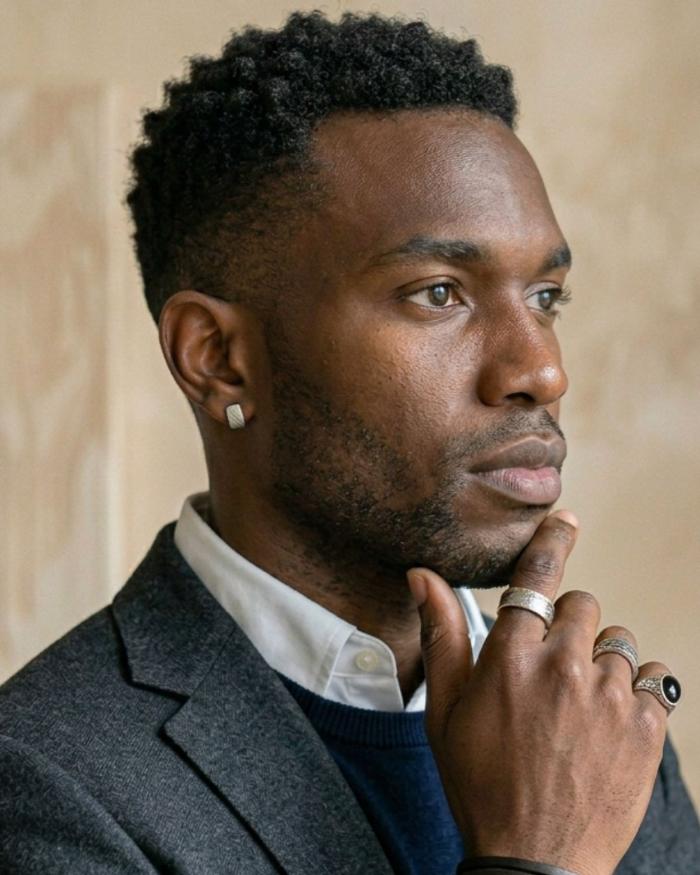
The textured crop fade remains one of the most consistent gay haircut styles in barbershops globally, largely because it balances precision with softness. The fade creates clean structure around the head, while the top is intentionally broken up for movement.
In queer grooming culture, this cut is often chosen for its neutrality—it doesn’t force a specific reading of masculinity, but instead adapts to styling choices and facial proportions.
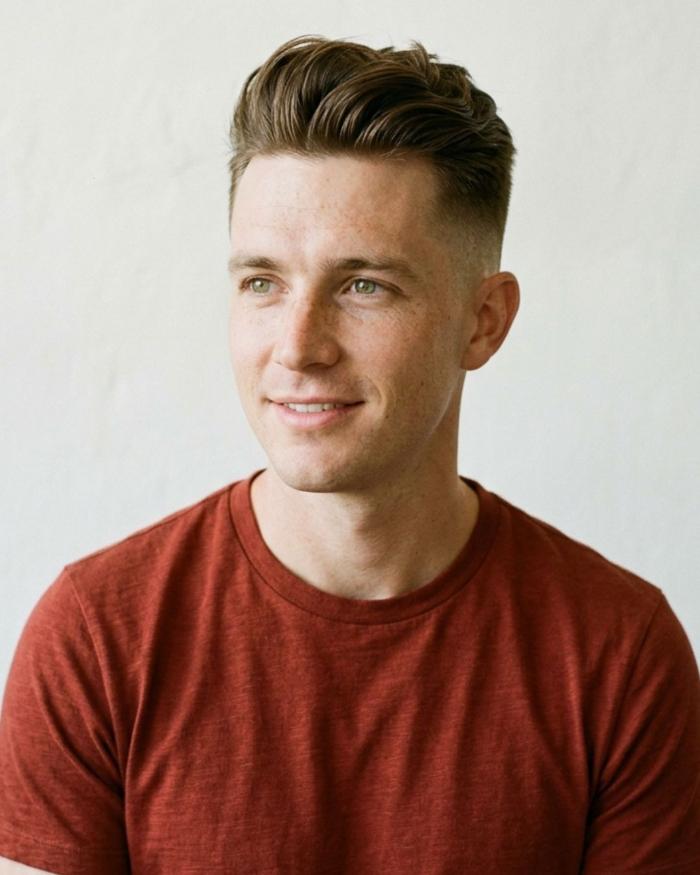
The Modern Pompadour / Quiff
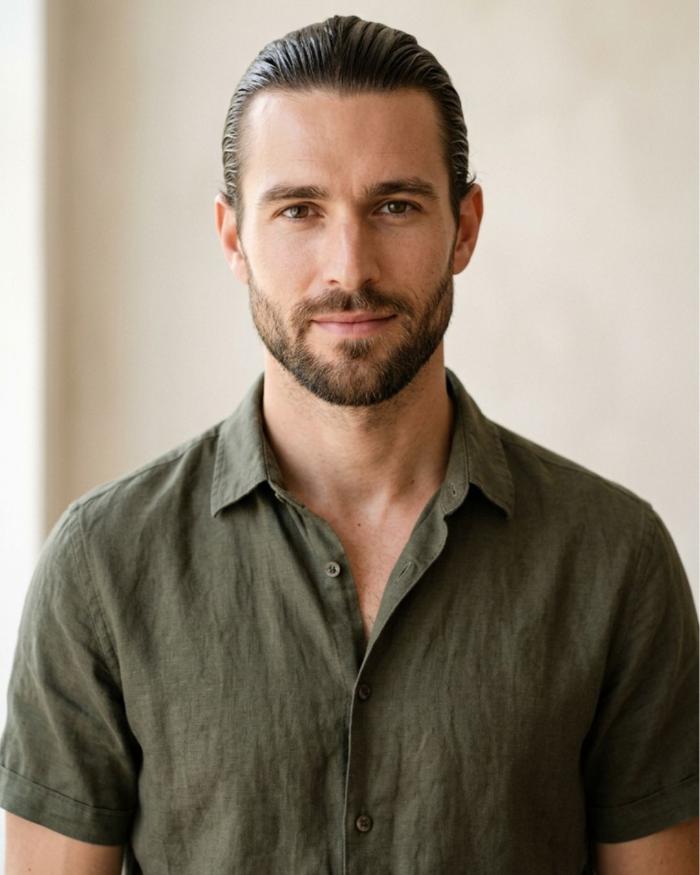
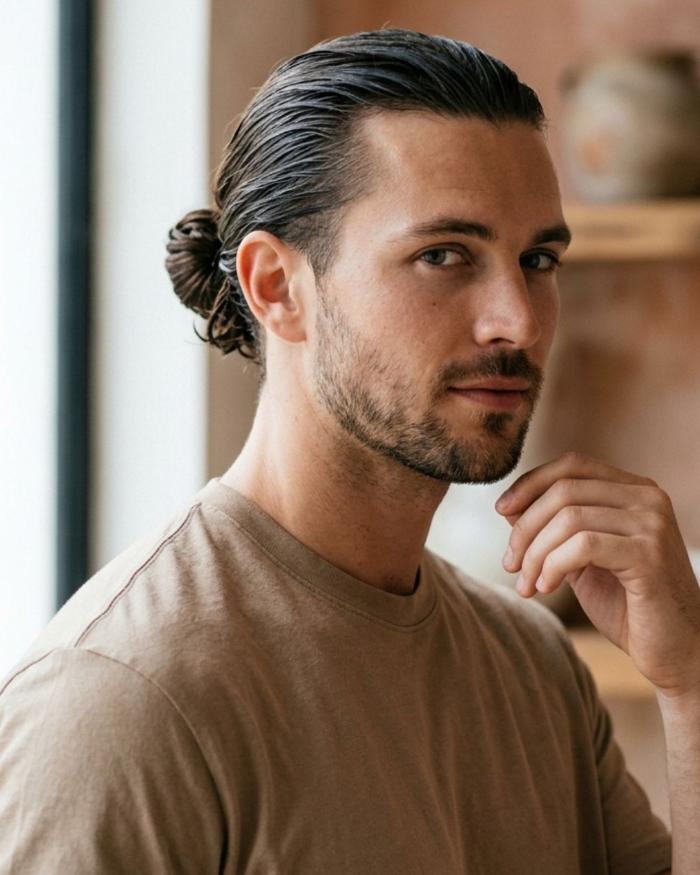
The modern pompadour has shifted away from heavy shine and rigid structure toward something more breathable. In 2026, it is less about sculpted height and more about controlled lift with texture that can collapse naturally throughout the day.
The quiff variation offers a slightly softer approach, often used in LGBTQ+ friendly barbershop consultations where clients want structure without stiffness.
The Crucial Pairing: Facial Hair and Grooming Balance
The right facial hair can enhance a haircut by creating balance and complementing facial features. Maintaining consistent grooming habits helps ensure both the haircut and beard work together for a cohesive, well-put-together appearance.
The Mustache Revival in Queer Grooming Culture
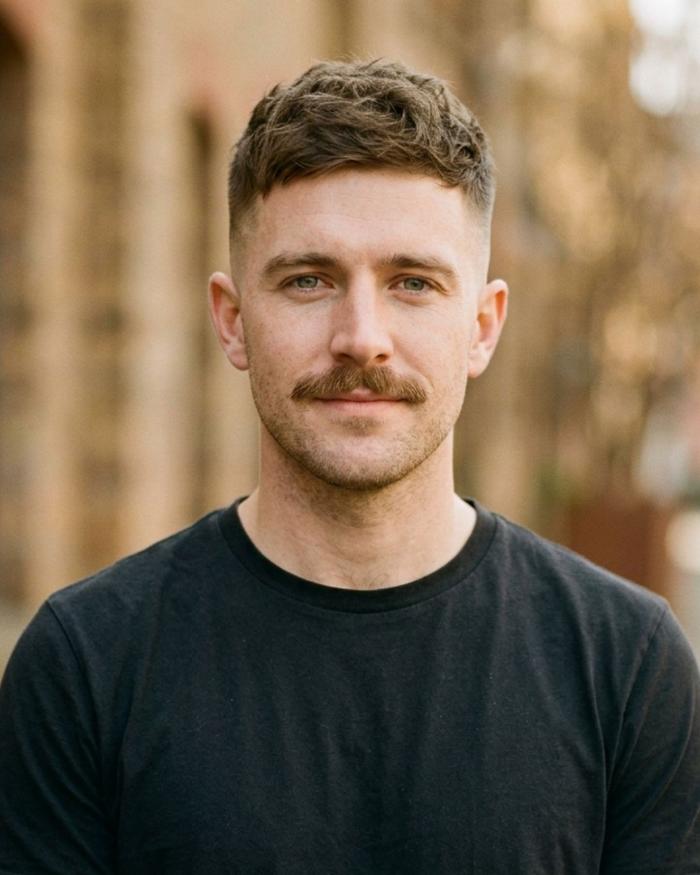
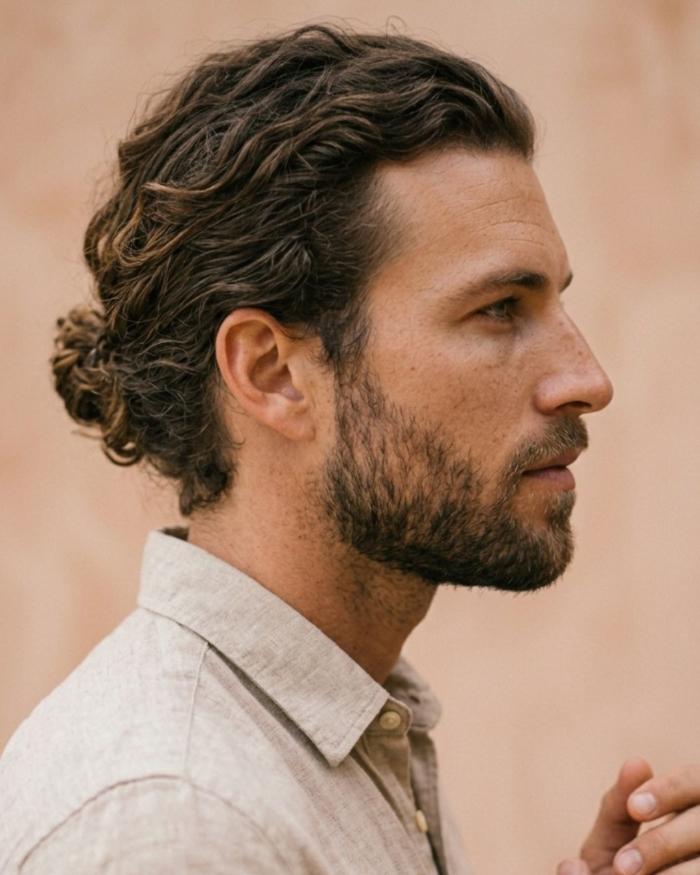
The mustache has re-emerged not as default facial hair, but as intentional styling. In gay men haircuts trends, it functions almost like punctuation—it changes how a haircut is read instantly.
A thin mustache can introduce irony and edge, while a fuller version adds weight and vintage reference. Its resurgence reflects a broader shift toward individualized grooming rather than standardized looks.
Scruff vs. Clean Shave: How It Changes Your Haircut
Scruff softens contrast, making even sharp fades feel more relaxed and wearable. A clean shave, on the other hand, increases definition and draws attention to bone structure and haircut geometry.
In practice, facial hair becomes part of the haircut system itself—not an accessory, but a structural modifier that changes how the entire style is perceived.
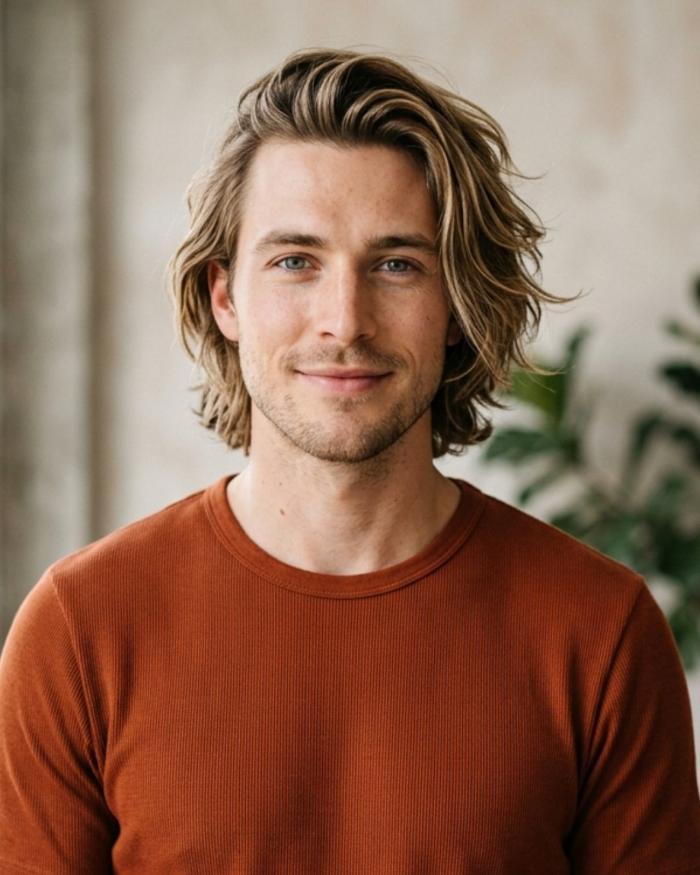
Quick Comparison: Most Popular Gay Men Haircuts (2026)
| Haircut | Style Vibe | Maintenance Level | Best For |
|---|---|---|---|
| Wolf Cut | Soft, gender-fluid, layered movement | Medium | Curly or wavy textures, expressive styling |
| Modern Mullet | Edgy, structured chaos | Low–Medium | People who want contrast and shape shift |
| Bleached Buzz Cut | Minimal, high-impact, bold reset | High (color upkeep) | Short hair lovers, transformation looks |
| Textured Crop Fade | Clean, balanced, versatile | Low | Everyday wear, structured simplicity |
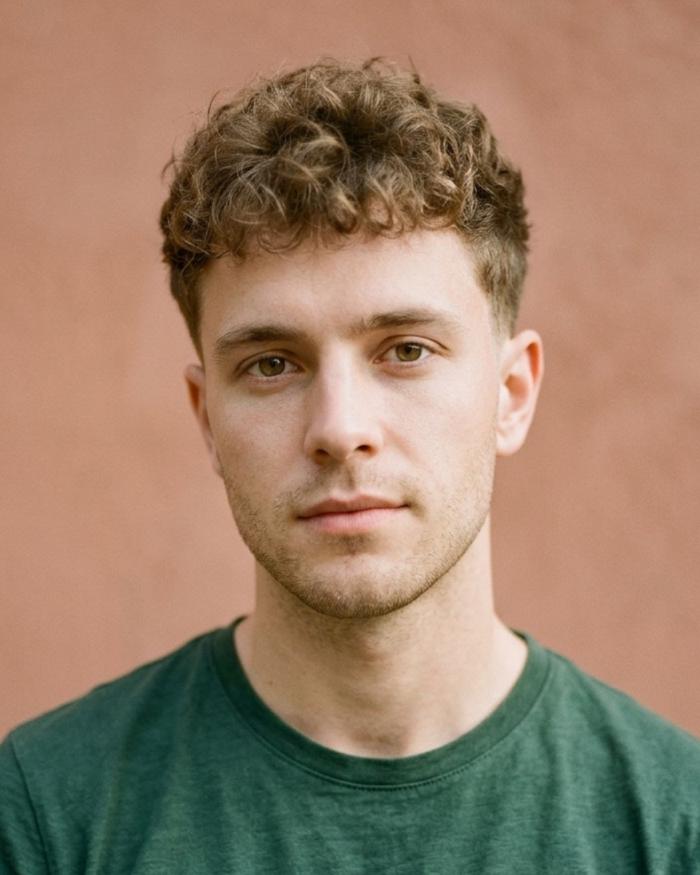
Gay Men Haircut Trends Forecast for 2026 and 2027
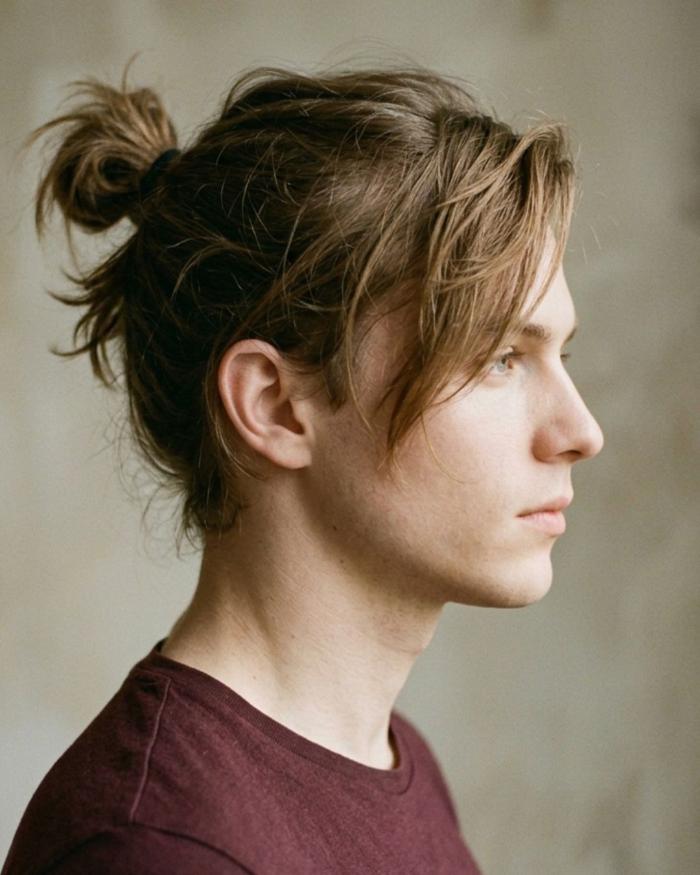
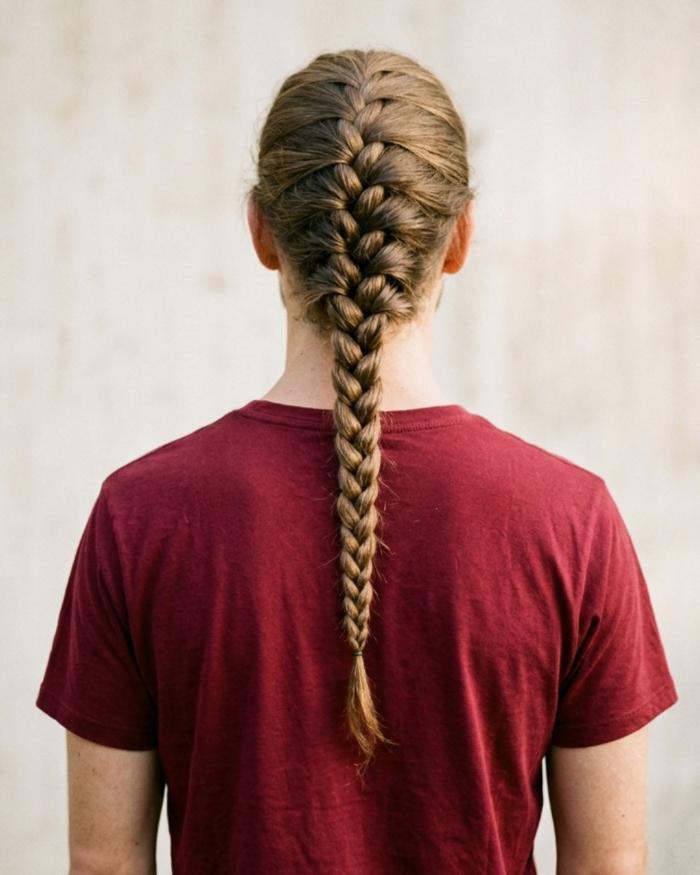
Hair trends in queer communities are shifting toward low-maintenance adaptability rather than highly sculpted looks. Cuts that grow out well are becoming more desirable than styles requiring constant precision.
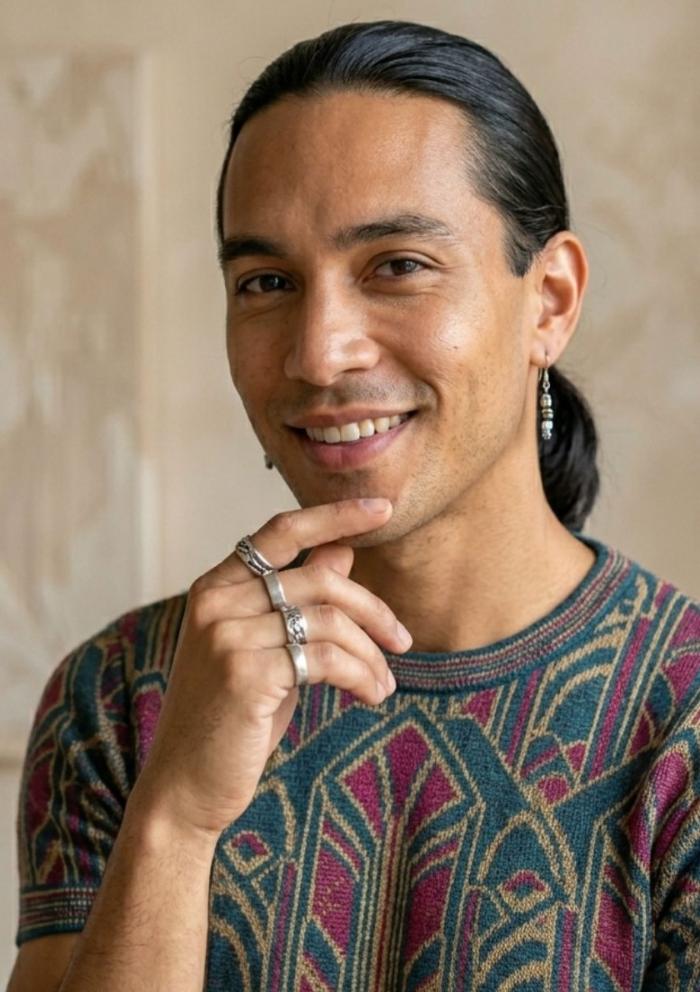
There is also a noticeable rise in gender-fluid styling—cuts that can be read differently depending on texture, color, and personal presentation. Mustaches and vintage grooming references are also continuing to resurface, often paired with modern fades or textured crops for contrast.
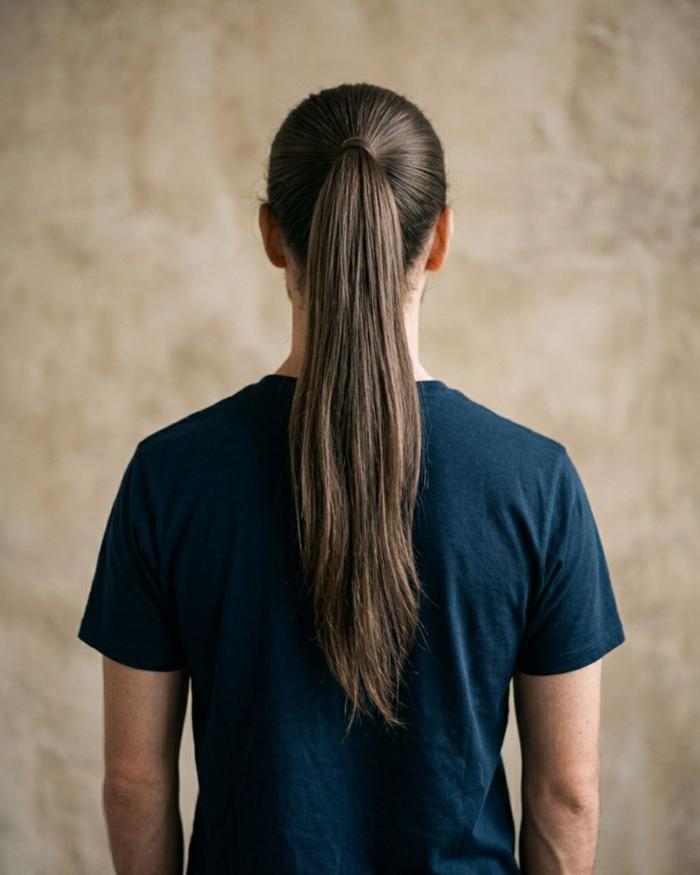
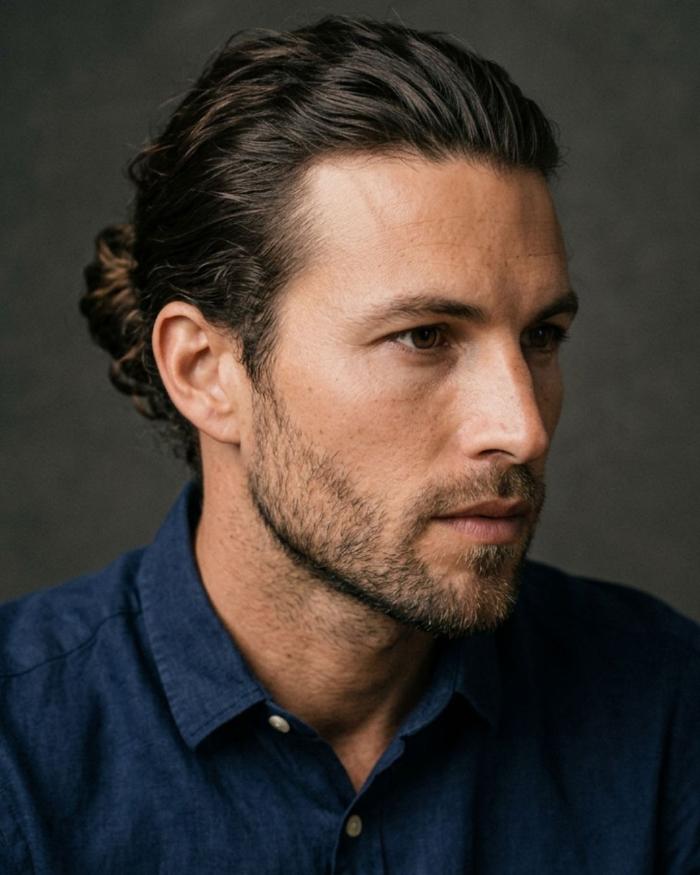
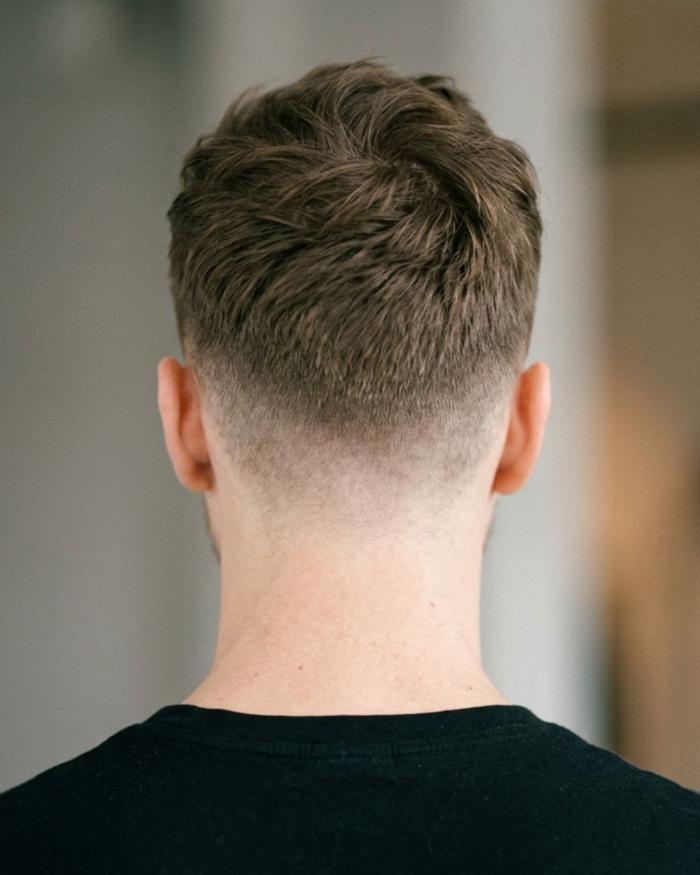
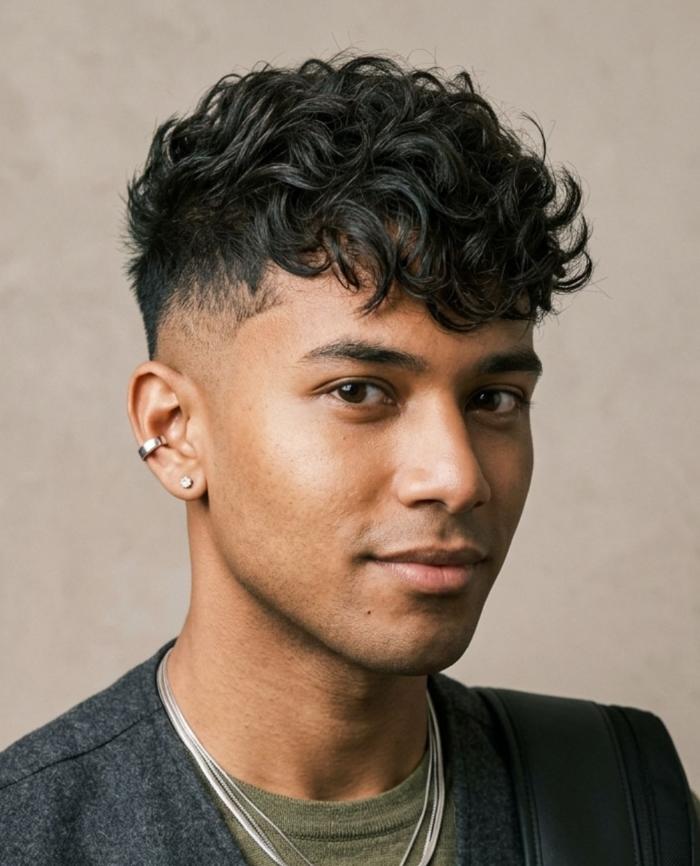
How to Find a Queer-Friendly Barbershop Near You
Finding an LGBTQ+ friendly barbershop is less about aesthetics and more about communication style. The most reliable indicator is how consultations are handled: whether reference images are interpreted flexibly, whether gender assumptions are avoided, and whether your input is treated as design direction rather than correction.
Search behavior also matters. Terms like “queer barber near me,” “gender neutral haircut salon,” or “LGBTQ+ barbershop” are increasingly used to locate spaces that understand non-traditional styling language. Instagram hashtags such as #queerbarber and #lgbtqbarber are also widely used discovery tools.
Essential Grooming Products for Gay Men Haircuts
Good hair doesn’t start in the mirror—it starts in the products you reach for before styling even begins. In queer grooming culture especially, products aren’t about forcing control, but about shaping texture, tone, and movement in a way that still feels like your hair, just slightly more intentional.
– Texture and Volume Products
Sea salt sprays and lightweight styling powders are central to modern queer hairstyles men because they enhance movement without locking hair into rigid shapes.
– Hold and Definition Products
Matte clays and flexible pastes are preferred over high-shine gels, especially for textured crop fades, wolf cuts, and layered shags where separation is essential.
– Color Maintenance Products
For bleached buzz cuts and dyed styles, toning shampoos and pigment-depositing conditioners help maintain tone variation while allowing gradual fade-out as part of the aesthetic lifecycle.
Hair Product Guide: What Each Gay Hairstyle Actually Needs
| Product Type | What It Does | Best Used For | Result |
|---|---|---|---|
| Sea Salt Spray | Adds natural texture and lift | Wolf cuts, shags, mullets | Undone, lived-in movement |
| Matte Clay | Flexible hold without shine | Fades, crops, pompadours | Controlled but touchable structure |
| Styling Powder | Root volume and airy lift | Short fades, textured tops | Light, lifted silhouette |
| Purple Shampoo | Neutralizes brass in bleached hair | Bleached buzz cuts | Clean platinum or pastel tones |
Frequently Asked Questions About Gay Men Haircuts
Still have questions? Let’s sum up everything said above and answer more questions.
What are the most popular gay men haircuts in 2026?
Wolf cuts, textured crop fades, modern mullets, and bleached buzz cuts dominate current queer hairstyle trends.
What haircut works best for queer men with curly hair?
Layered wolf cuts and textured shags work especially well because they enhance natural volume rather than controlling it.
What is a queer-friendly barbershop?
A salon or barber space that uses inclusive language, avoids gender assumptions, and treats haircut requests as collaborative styling rather than fixed templates.
Are mullets still in style for men?
Yes, but modern mullets are softer, more layered, and often integrated with shag or wolf cut structures.
What is the difference between a fade and a taper?
A fade blends down to skin level more aggressively, while a taper gradually shortens length without fully exposing the scalp.
The most relevant gay men haircuts in 2026 are not defined by strict categories, but by flexibility. Whether it’s a structured fade, a soft wolf cut, or a bleached buzz that grows out into something entirely different, the emphasis has shifted toward adaptability and personal interpretation. Ultimately, the strongest haircut is not the one that fits a trend most precisely, but the one that remains coherent as it evolves—growing, shifting, and still feeling aligned with the person wearing it.
Advertisement: