There was a time when getting a bob meant choosing a side: sleek or textured, sharp or layered. The butterfly bob ignores that distinction entirely. It borrows the airy, face-framing layers that made the butterfly haircut a phenomenon and pairs them with the structure of a bob, resulting in a shape that feels considered rather than overstyled.
Advertisement-Continue Reading Below
What sets the butterfly bob apart isn’t its length—it’s the way it moves. Shorter layers create lift around the face and crown, while longer pieces maintain weight where it matters. The result is dimension without bulk, softness without sacrificing shape.
Its rise also reflects a broader shift in hair trends. Precision cuts are making room for styles with more flexibility—haircuts that look intentional on day one but don’t lose their appeal a few weeks later. The butterfly bob fits neatly into that category, offering enough structure to feel polished and enough movement to avoid looking rigid.
Ahead, discover exactly what defines a butterfly bob, how it differs from other layered cuts, who it suits best, and the variations worth bringing to your next salon appointment.
What Is a Butterfly Bob Haircut?
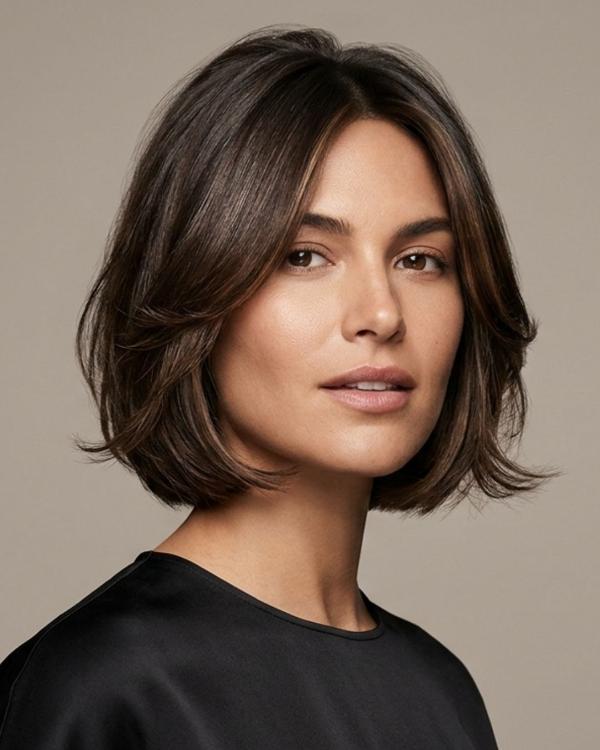
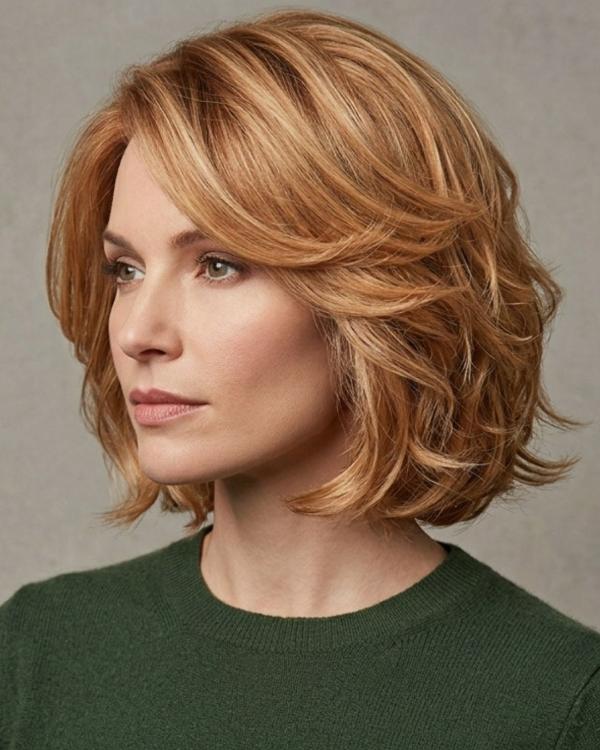
A butterfly bob is a layered bob haircut designed to create movement, shape, and visual lift without relying on dramatic length. It combines the signature face-framing layers of the butterfly haircut with the structured silhouette of a bob, resulting in a style that feels softer than a classic bob but more intentional than a heavily layered cut.
Unlike traditional bobs that often emphasize clean lines and uniform length, the butterfly bob is built around contrast. Shorter layers around the face create openness and dimension, while longer layers underneath preserve the overall shape. The effect is subtle but noticeable: hair appears lighter, fuller, and more responsive to movement.
Although the name suggests something trend-driven, the appeal of the butterfly bob is surprisingly practical. It addresses a common frustration with shorter haircuts—maintaining shape without sacrificing softness.
Quick Definition: A butterfly bob is a layered bob haircut featuring shorter face-framing sections and longer internal layers that create volume, movement, and a feathered finish.
What Makes a Butterfly Bob Different?
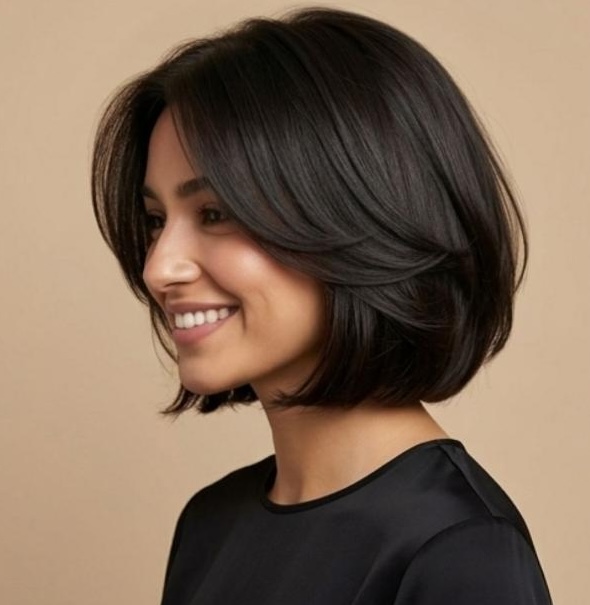
At first glance, a butterfly bob may resemble other layered bob hairstyles. The difference lies in how the layers are distributed throughout the haircut.
Face-Framing Layers Take Priority
The defining feature of a butterfly bob is the concentration of shorter layers around the front. Rather than blending evenly throughout the haircut, these pieces create a graduated effect that draws attention toward the eyes, cheekbones, and jawline.
Volume Is Built Into the Shape
Many haircuts depend on styling products for lift. A butterfly bob creates volume structurally. Strategic layering reduces weight in specific areas while preserving density elsewhere, allowing the haircut itself to contribute to fullness.
Movement Replaces Sharp Geometry
Classic bobs often rely on precision. Butterfly bobs rely on motion. The silhouette remains polished, but the edges appear softer and less rigid.
It Grows Out More Naturally
Because the haircut incorporates multiple lengths from the beginning, minor growth is less noticeable. This makes maintenance more forgiving compared to sharply defined bob variations.
- Soft face-framing layers
- Visible movement throughout the cut
- Volume concentrated around the crown
- Less bulk around the ends
- Flexible styling options
Butterfly Bob vs Other Popular Haircuts
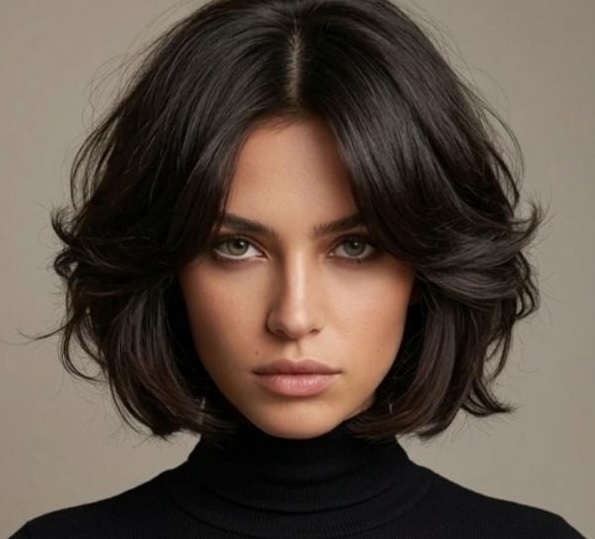
The butterfly bob isn’t the only layered haircut competing for attention. Understanding how it differs from other popular bob variations can help clarify whether its softer, more dynamic shape aligns with your styling preferences and hair goals.
Butterfly Bob vs Classic Bob
A classic bob prioritizes clean lines and structure. A butterfly bob prioritizes dimension and movement.
If a traditional bob creates a precise outline, the butterfly bob intentionally disrupts that outline with layers that soften the overall shape.
Butterfly Bob vs Butterfly Haircut
The butterfly haircut was originally designed for medium and long hair lengths. Its dramatic layering creates the illusion of shorter pieces without sacrificing length.
The butterfly bob adapts the same principle to shorter hair. Rather than preserving long lengths, it focuses on creating volume and movement within a bob silhouette.
Butterfly Bob vs Italian Bob
The Italian bob is known for its density, weight, and fullness at the ends. The butterfly bob moves in the opposite direction, removing strategic weight to create a lighter appearance.
Someone looking for polished volume may prefer an Italian bob. Someone seeking texture and dimension will likely gravitate toward a butterfly bob.
Butterfly Bob vs French Bob
French bobs are defined by their short length and effortless styling. Butterfly bobs are generally longer and more layered, creating a softer frame around the face.
Butterfly Bob vs Layered Bob
Not every layered bob is a butterfly bob. Standard layered bobs distribute layers throughout the haircut. Butterfly bobs place greater emphasis on face-framing pieces and crown volume, creating the signature “lifted” effect associated with the trend.
Why Is the Butterfly Bob So Popular?
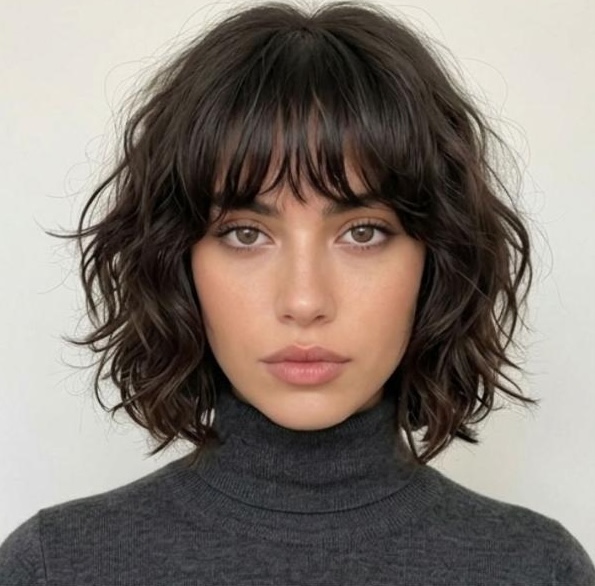
The popularity of the butterfly bob reflects a larger shift in beauty preferences. Hair trends have moved away from styles that appear overly controlled and toward cuts that retain shape while allowing for natural movement.
People still want structure, but increasingly they want flexibility too. The butterfly bob occupies that middle ground.
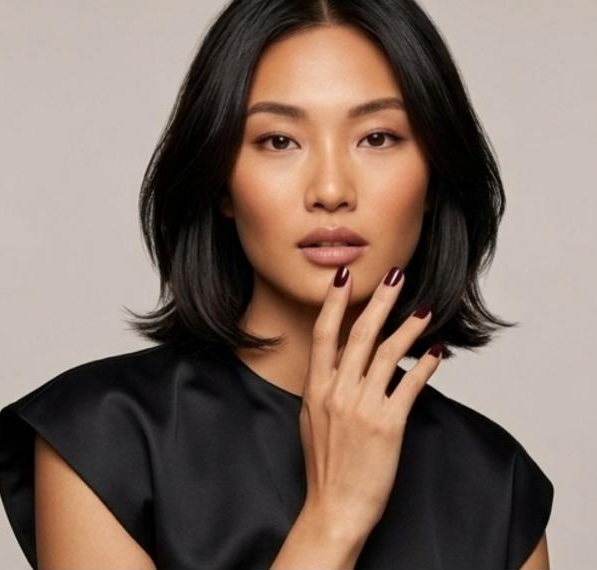
It also solves several common hair concerns at once:
- Fine hair appears fuller.
- Thick hair feels lighter.
- Flat hair gains dimension.
- Short hair gains movement.
There is also a visual reason for its success. The layered construction creates depth from multiple angles, which translates particularly well in photographs and video. Hair appears less static, even when minimally styled.
Why Hairstylists Recommend It
Professional stylists frequently suggest butterfly bobs because the cut can be adapted without changing its core identity. Layer placement, length, and density can all be adjusted to suit different face shapes and hair textures.
Rather than forcing hair into a predetermined silhouette, the butterfly bob tends to work with existing texture—a quality that has become increasingly valuable as clients move away from high-maintenance styling routines.
Who Looks Best with a Butterfly Bob?
The strength of the butterfly bob lies in its adaptability. Unlike highly specific haircut trends that flatter only a narrow range of face shapes, this style can be adjusted through layer placement, length, and volume distribution.
The goal isn’t to find a face shape that “qualifies” for the cut. It’s to tailor the cut so that it enhances your natural proportions.
Round Faces
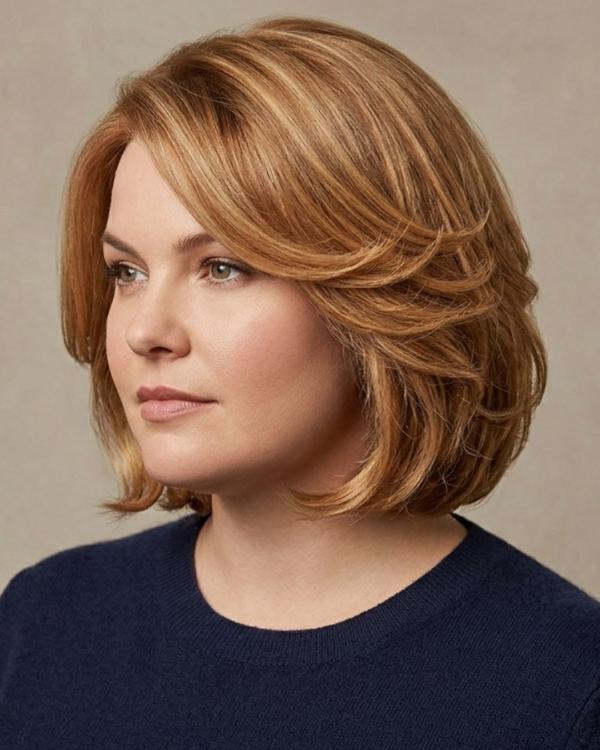
For round face shapes, a butterfly bob works best when it falls below the chin and incorporates longer face-framing layers. This creates vertical movement that visually elongates the face rather than emphasizing width.
A deep side part or curtain-style framing can further reinforce this effect.
Oval Faces
Oval faces have the greatest flexibility when it comes to butterfly bob variations. Short, long, textured, or polished versions can all work equally well because the face shape already provides balanced proportions.
Square Faces
Softness becomes particularly important for square face shapes. Feathered layers around the cheekbones and jawline help diffuse angular features while maintaining definition.
A butterfly bob often feels less severe than a blunt bob on square faces because it introduces movement around areas that might otherwise appear visually heavy.
Heart-Shaped Faces
Heart-shaped faces typically benefit from volume around the jawline rather than the crown. Longer butterfly bob lengths can help create balance between a broader forehead and a narrower chin.
Long Faces
For elongated face shapes, excessive height at the crown can exaggerate facial length. A softer butterfly bob with side volume and curtain bangs often produces the most harmonious result.
Is a Butterfly Bob Good for Your Hair Type?
One reason the butterfly bob has gained traction is its ability to solve different problems for different hair textures.
Fine Hair
Fine hair often struggles with density and movement. A butterfly bob creates the appearance of fullness by introducing layers that generate lift without removing excessive weight.
The key is restraint. Over-layering can make fine hair appear sparse, so experienced stylists typically focus on subtle internal layers rather than dramatic disconnection.
Thick Hair
Thick hair can quickly overwhelm shorter cuts if bulk isn’t managed properly. The butterfly bob removes strategic weight throughout the interior of the haircut, making the silhouette feel lighter and more responsive.
Instead of forming a dense shape around the jawline, thick hair gains separation and flow.
Straight Hair
Straight hair showcases the architecture of the butterfly bob particularly well. The layered structure remains visible even without extensive styling, creating movement that might otherwise be absent.
Wavy Hair
Natural waves complement the haircut’s layered design. The texture amplifies dimension while reinforcing the airy quality that defines the style.
Curly Hair
Curly versions of the butterfly bob require thoughtful customization, but the result can be striking. Layers help distribute volume more evenly and prevent the triangular shape that shorter curly cuts sometimes develop.
The focus should remain on curl pattern and shrinkage rather than strictly following a reference photo.
The Most Beautiful Butterfly Bob Variations
Not all butterfly bobs look the same. Small adjustments in length, layering, and styling can dramatically change the final result.
Soft Butterfly Bob
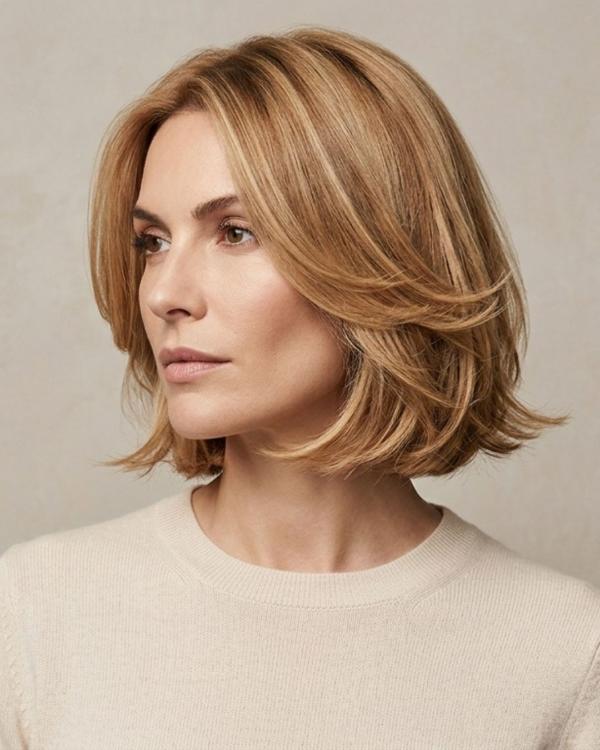
The soft butterfly bob prioritizes subtle layering and fluid transitions between lengths. It’s ideal for those who want movement without obvious texture.
This version often feels the most timeless because it avoids trend-specific details.
Short Butterfly Bob
Ending between the chin and jawline, the short butterfly bob creates a more pronounced shape while retaining the signature layering around the face.
It offers the structure of a classic bob without the rigidity.
Long Butterfly Bob
A longer version extends toward the collarbone and provides greater styling flexibility. It bridges the gap between a traditional lob and a butterfly haircut.
For first-time bob wearers, this is often the easiest entry point.
Textured Butterfly Bob
Designed to emphasize separation and movement, the textured butterfly bob incorporates more visible layering throughout the haircut.
The result feels slightly undone without appearing careless.
Butterfly Bob with Curtain Bangs
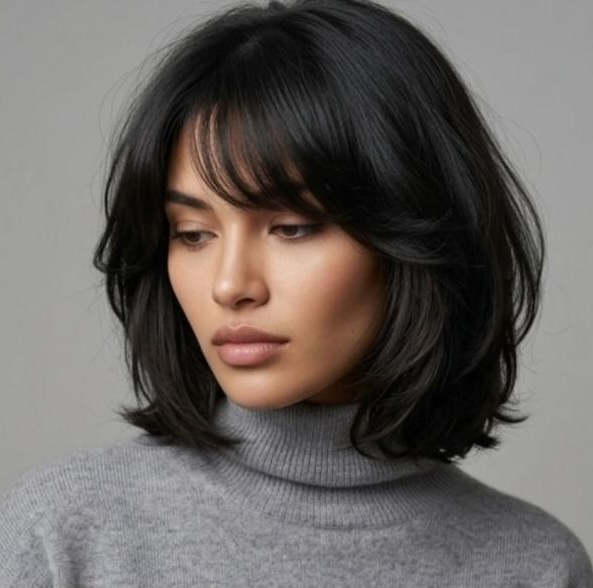
Curtain bangs naturally complement the face-framing structure of a butterfly bob. Together, they create a layered effect that begins at the forehead and continues throughout the haircut.
This combination remains one of the most requested versions of the trend.
Butterfly Bob with Side Bangs
Side-swept fringe introduces asymmetry and softness, particularly around the cheekbones. It can also make growing-out bangs feel more intentional.
Curly Butterfly Bob
When adapted correctly, curly butterfly bobs deliver shape without sacrificing volume. Strategic layering encourages definition while preventing excessive weight accumulation.
Wavy Butterfly Bob
Natural waves enhance every characteristic of the haircut. Texture highlights the layers, while movement becomes more pronounced throughout the day.
Butterfly Bob with Highlights
Dimensional color can make the layering more visible by emphasizing differences in length and movement.
Face-framing highlights, balayage, and soft ribbon-like color placements pair particularly well with this haircut.
Butterfly Bob for Fine Hair
For finer textures, stylists often preserve density around the perimeter while introducing lighter internal layering. This creates fullness without compromising thickness.
Butterfly Bob for Thick Hair
For thicker textures, layering becomes more pronounced. The objective shifts from creating volume to controlling it.
Why the Butterfly Bob Photographs So Well
Some haircuts look impressive in motion but fall flat in photographs. Others photograph beautifully but feel static in real life.
The butterfly bob succeeds in both contexts because it creates visible depth.
Layers catch light differently across the haircut, producing natural contrast and dimension. Face-framing sections draw attention toward facial features, while movement throughout the silhouette prevents the cut from appearing flat from side angles.
This combination explains why the hairstyle performs particularly well on social platforms, where visual depth often determines whether a look feels memorable or forgettable.
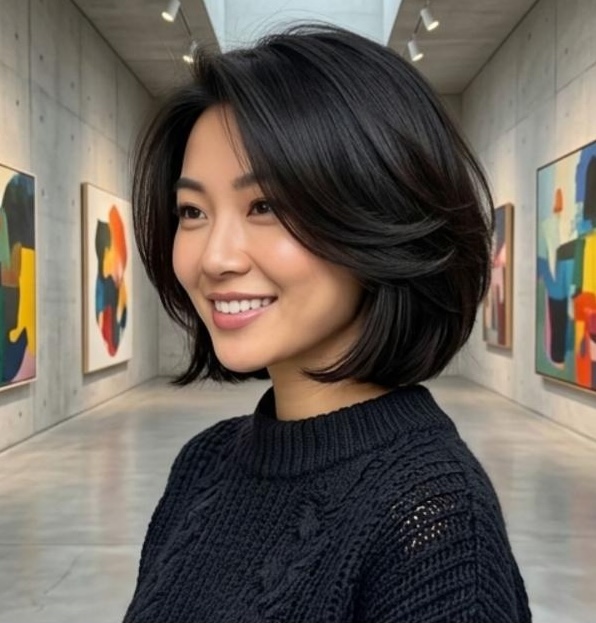
How to Ask Your Stylist for a Butterfly Bob
Asking for a butterfly bob without further explanation can lead to very different interpretations. Bringing reference images remains the most reliable approach, but understanding the haircut’s essential elements is equally important.
When consulting with your stylist, mention:
- Face-framing layers around the front.
- Internal layering for movement.
- Volume concentrated around the crown.
- The desired perimeter length.
- How much styling you realistically do each day.
Describing how you want your hair to behave is often more useful than describing how you want it to look.
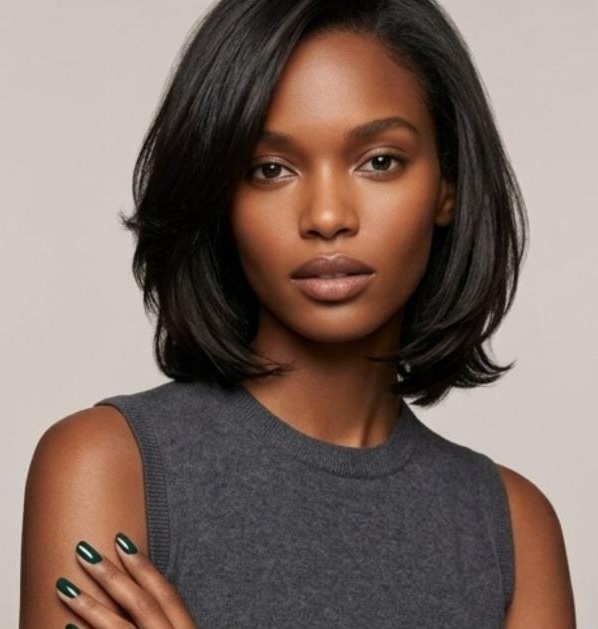
How to Style a Butterfly Bob
A butterfly bob is designed to move. The goal isn’t to create a perfectly fixed shape but to emphasize the layers that already exist within the haircut. Styling should enhance the structure rather than compete with it.
The Blowout Method
A round-brush blowout remains the easiest way to highlight the signature shape of a butterfly bob. By lifting hair at the roots and directing face-framing layers away from the face, you create separation between the shorter and longer sections.
The result is volume that appears built into the haircut rather than added afterward.
The Velcro Roller Approach
For those who prefer less heat, Velcro rollers can create lift where a butterfly bob benefits most: around the crown and front sections.
Even a few minutes of setting time can add noticeable shape without requiring advanced styling skills.
Air-Dried Texture
One of the haircut’s advantages is that it doesn’t depend on polished styling to look intentional.
A lightweight texture spray or mousse can encourage natural movement while maintaining definition around the layers.
For wavy hair, air-drying often reveals the haircut’s dimensional qualities particularly well.
Soft Bend Styling
Rather than creating defined curls, many stylists prefer introducing a slight bend through the mid-lengths and ends. This approach keeps the haircut modern and allows the layers to remain visible.
Overly structured curls can sometimes conceal the shape that makes a butterfly bob distinctive.
Products That Work Best
Heavy formulas can collapse the airy quality of the haircut. Lightweight products generally produce better results.
- Volumizing mousse
- Root-lifting spray
- Texture spray
- Lightweight styling cream
- Flexible-hold hairspray
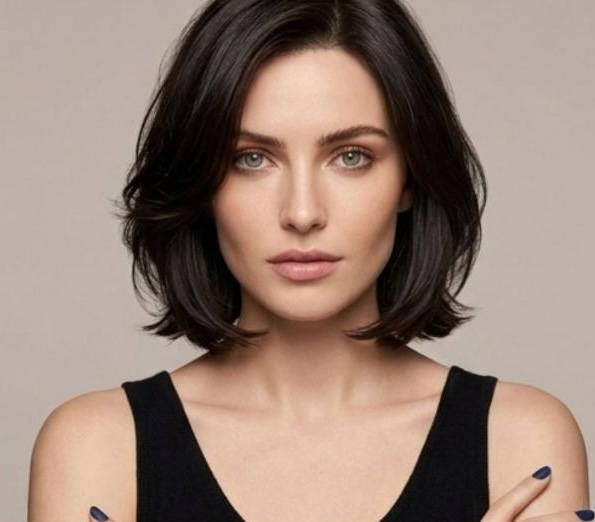
How to Maintain a Butterfly Bob
Although the butterfly bob is more forgiving than many precision cuts, maintenance still plays an important role in preserving its shape.
Trim Schedule
Most butterfly bobs benefit from maintenance appointments every six to ten weeks, depending on hair texture and growth rate.
Longer versions typically allow more flexibility between appointments.
Preserving Layer Definition
The haircut’s identity depends on visible separation between layers. As hair grows, that distinction gradually softens.
Regular reshaping prevents the style from becoming visually heavy.
Managing Volume Between Appointments
Dry shampoo isn’t just useful for extending wash days. Applied strategically at the roots, it can restore lift and prevent the crown area from appearing flat.
Small adjustments often have a greater impact than extensive styling.
Product Buildup Matters
Because the butterfly bob relies on movement, excessive product accumulation can reduce its effectiveness.
Periodic clarifying treatments help maintain the lightweight quality that defines the haircut.
Common Butterfly Bob Mistakes to Avoid
The success of a butterfly bob depends less on following a trend and more on understanding how the haircut interacts with individual hair characteristics.
Removing Too Much Weight
Layering creates movement, but excessive layering can create the opposite effect. Hair may appear fragmented rather than dimensional.
This is particularly important for fine hair textures.
Copying a Photo Without Considering Hair Type
A reference image captures a single moment under specific styling conditions.
The same haircut will behave differently on straight, wavy, thick, or curly hair.
Using inspiration photos as a guide rather than a blueprint generally produces better results.
Choosing the Wrong Length
The placement of the perimeter can dramatically affect how the haircut balances facial proportions.
A variation that flatters one person may not create the same effect on another.
Ignoring Daily Styling Habits
A highly layered butterfly bob may require more attention than someone is willing to give.
The most successful haircut is often the one that aligns with how a person actually styles their hair—not how they imagine they might style it.
Overusing Heavy Products
Rich creams, dense oils, and excessive waxes can suppress movement and reduce visible layering.
When in doubt, lighter formulations tend to complement the haircut more effectively.
Celebrity Inspiration: Butterfly Bob Looks Worth Saving
The butterfly bob doesn’t belong to a single aesthetic. That’s part of its appeal.
Some interpretations lean polished and refined, while others emphasize texture and movement. Celebrity hairstylists frequently adapt the haircut according to individual features rather than treating it as a fixed formula.
When collecting inspiration images, pay attention to details beyond the overall shape:
- Where the shortest layers begin.
- The amount of volume at the crown.
- The relationship between bangs and face-framing pieces.
- The haircut’s perimeter length.
- Whether the finish appears polished or textured.
These elements often influence the final result more than the haircut category itself.
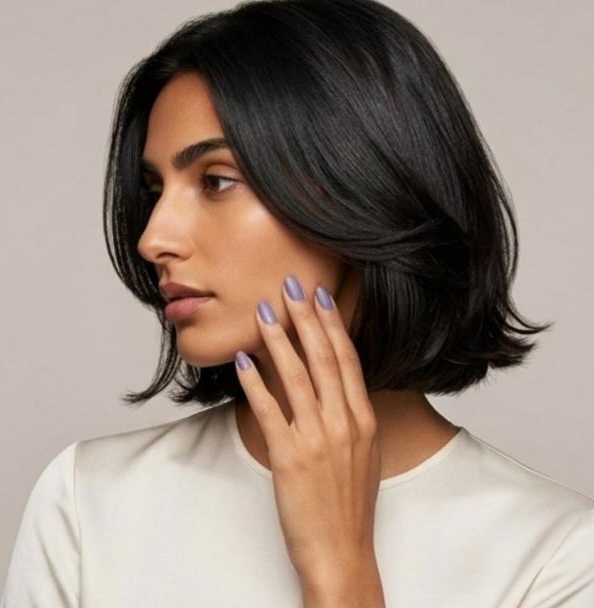
Frequently Asked Questions About the Butterfly Bob Haircut
Despite its growing popularity, the butterfly bob still raises plenty of questions—from maintenance requirements to suitability for different hair types. Below, you’ll find concise answers to the most common questions people ask before committing to the cut.
What is a butterfly bob haircut?
A butterfly bob is a layered bob hairstyle that combines shorter face-framing layers with a structured bob shape to create movement, volume, and dimension.
Is a butterfly bob good for thin hair?
Yes. When customized correctly, a butterfly bob can make fine or thin hair appear fuller by creating lift and visual density through strategic layering.
Does a butterfly bob make hair look thicker?
It can. The combination of crown volume, face-framing layers, and movement often creates the illusion of greater fullness.
What’s the difference between a butterfly bob and a layered bob?
All butterfly bobs are layered bobs, but not all layered bobs are butterfly bobs. The butterfly version places greater emphasis on face-framing layers and volume concentrated around the crown.
Is a butterfly bob high maintenance?
Generally, no. Most versions require occasional reshaping but are less demanding than sharply structured bob haircuts.
Can you get a butterfly bob with curly hair?
Absolutely. Curly adaptations can create impressive shape and balance when layering is tailored to curl pattern and density.
How often should you trim a butterfly bob?
Most people benefit from trims every six to ten weeks, though the exact schedule depends on hair growth and desired length.
Is the butterfly bob still in style?
Yes. The haircut continues to evolve because it aligns with broader trends favoring movement, texture, and adaptable styling rather than rigid shapes.
The Final Word
Hair trends often gain attention because they photograph well. Fewer remain relevant because they solve a genuine styling problem. The butterfly bob manages to do both.
It offers the structure people seek from a bob without the severity that sometimes accompanies shorter cuts. At the same time, it incorporates layering in a way that feels purposeful rather than decorative.
Perhaps the most compelling aspect of the butterfly bob is its flexibility. It can be polished, textured, understated, or expressive depending on how it’s cut and styled. Instead of forcing hair into a specific aesthetic, it creates a framework that adapts to different textures, face shapes, and preferences.
That’s precisely why the butterfly bob has moved beyond trend status and become a haircut people continue to request long after the initial buzz fades.
Advertisement: