Whether you are here to learn more about the unique characteristics of hair with albinism or you are looking for specific styling advice to care for your own, you have come to the right place. Hair is deeply personal; it is a fundamental part of our identity and a beautiful way to express who we are. For those with albinism, hair—often recognized for its stunning, ethereal white or platinum tones—is a feature that requires a distinct, thoughtful approach to care. By understanding the science behind the strands, we can move past one-size-fits-all beauty advice and embrace a more inclusive, informed, and empowering perspective on hair health for everyone.
Advertisement-Continue Reading Below
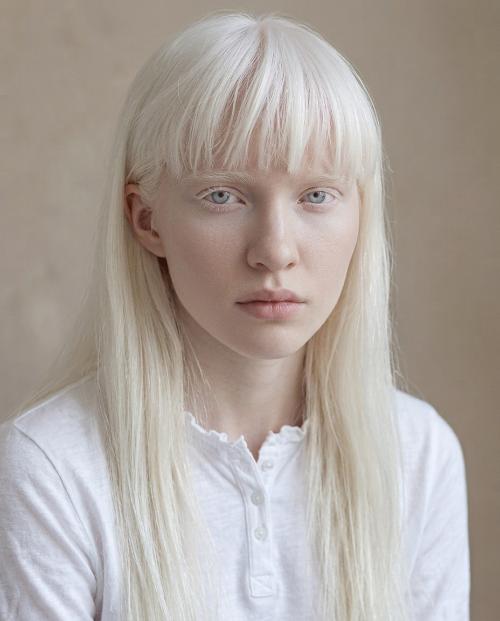
The Biology of Light: Understanding Albino Hair
To care for your hair effectively, you must first understand its structure. Albinism is a genetic condition that results in a reduction or total absence of melanin, the pigment responsible for the color of our skin, eyes, and hair. Because melanin provides more than just color—it also influences the structural integrity and thickness of the hair shaft—hair with little to no pigment often behaves differently than highly pigmented hair.
It is a common misconception that all “albino hair” feels the same. In reality, hair texture is dictated by your genetics and background, not just your pigmentation levels. You might have fine, straight hair that requires volume and gentle handling, or you might have dense, coily, or curly hair that demands deep moisture and specific manipulation techniques. Recognizing that your hair’s needs are a combination of your genetic heritage and your specific pigmentation profile is the first step toward a successful hair care journey.
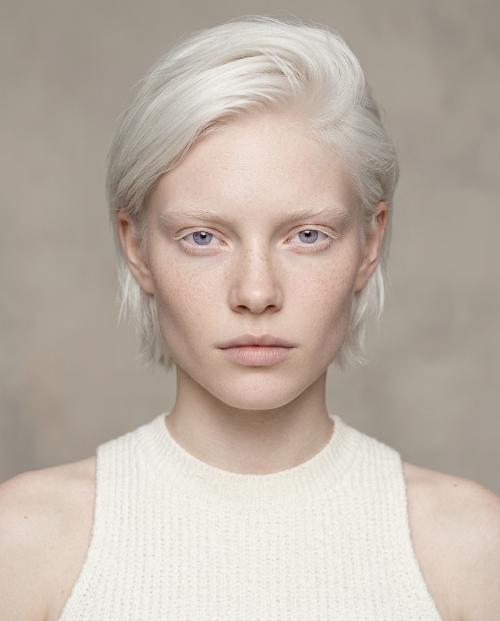
Why Hydration Is Your Foundation
Without natural pigment, the hair cuticle may be more porous, making it sensitive to environmental factors like pollution, hard water, and UV rays. These elements can strip the hair of its natural moisture, leading to dryness, brittleness, or even unwanted yellowing. Think of hydration as your primary insurance policy. A consistent regimen involving moisture-rich conditioners and leave-in treatments is essential to keep the hair shaft flexible and resilient.

The Art of the Cut: Choosing Styles That Work for You
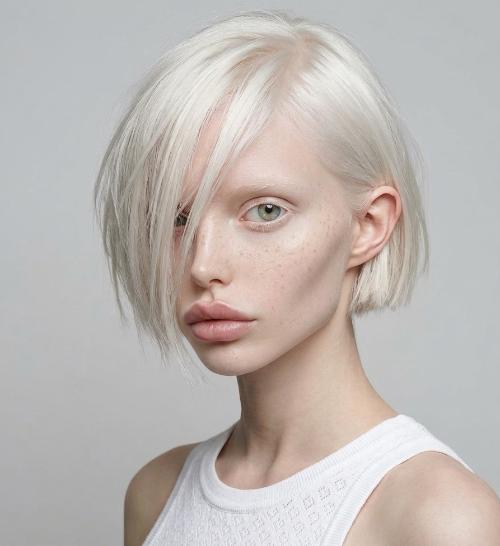
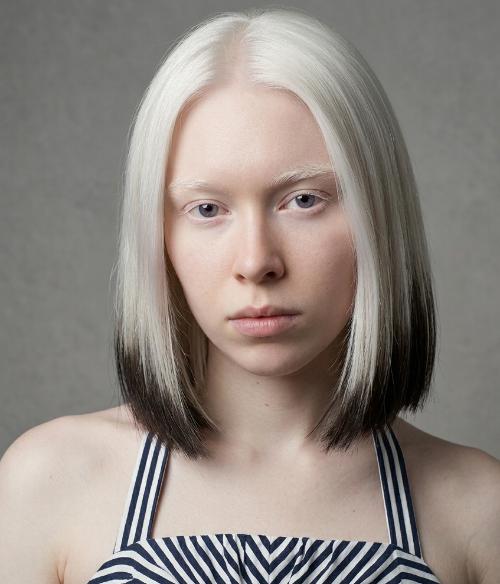
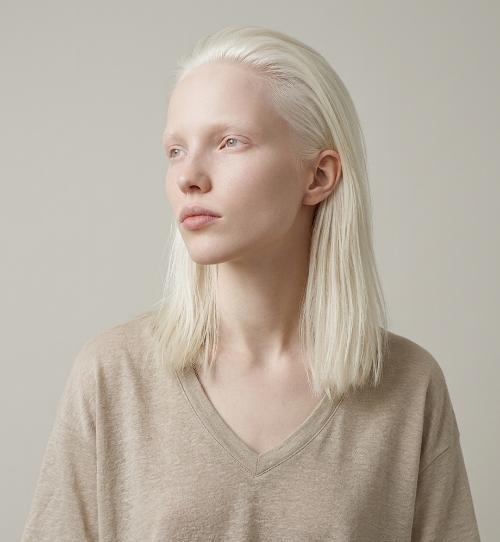
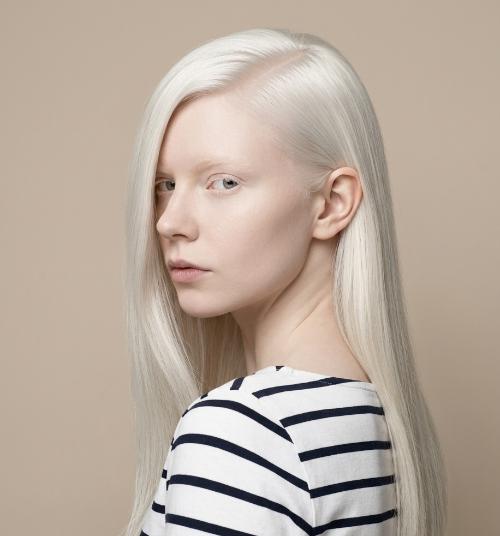
When selecting a haircut, the most important factor is your lifestyle. Do you want something “wash-and-go,” or do you enjoy spending time in front of the mirror? For those with natural white hair, the goal is often to highlight the brilliance of the color. A sharp, blunt bob, for example, can make platinum hair look incredibly thick and healthy, whereas long, layered cuts can soften your features and add movement.
Protective Styling for Textured Albino Hair
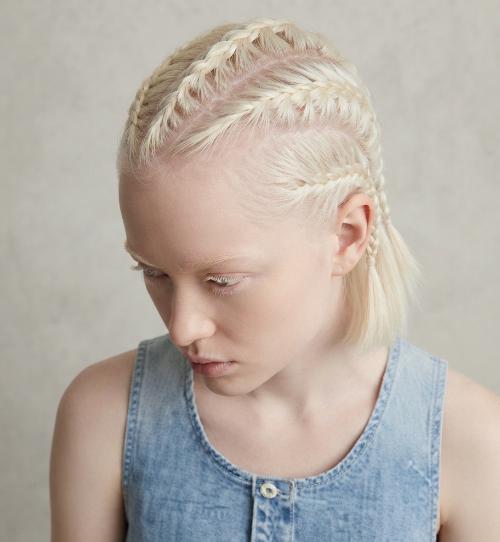
For those with textured or curly hair patterns, protective styles are a game changer. Box braids, twists, and Bantu knots not only look stunning but also minimize manipulation and protect the ends of your hair from environmental damage. When opting for these styles, always ensure that the weight of the extensions is not too heavy, as finer hair textures can be more sensitive to tension.
Curating Your Professional Hair Care Routine
Now that we understand the unique structural needs of hair with low melanin, we can build a routine that actually works. Many people with natural white hair fall into the trap of using overly harsh products designed for bleached hair, which can be too abrasive. Your hair is naturally delicate and needs products that prioritize balance, pH regulation, and gentle fortification.
Building an effective regimen is not about having an endless collection of expensive bottles; it is about having the right tools. Your hair deserves a routine that acts as a shield against the environment while enhancing its natural, ethereal shine.
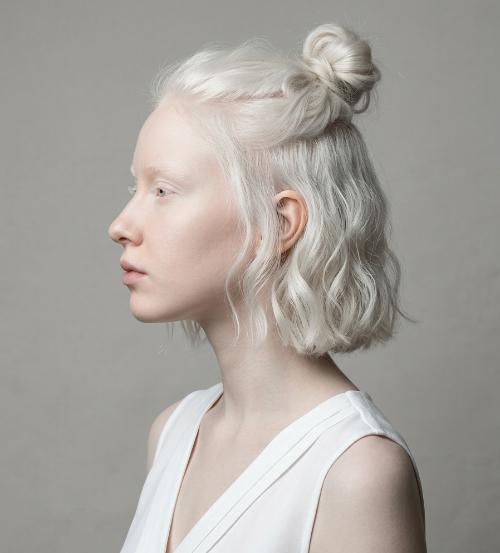
The “Less Is More” Cleansing Approach
Over-washing is a common mistake that leads to dryness. Because the hair shaft is naturally finer in some individuals with albinism, daily shampooing can strip away the essential oils your scalp works hard to produce. Aim to wash your hair two to three times a week. When you do wash, look for sulfate-free formulas that are transparent in color—avoid heavy, dark-tinted shampoos that can leave residue and dull your natural brightness over time.
The Truth About Toning and Brightening
Many readers often ask if they need “purple shampoo.” The answer is: only if you see yellowing. Natural white hair is already at its peak brightness. If you notice a shift in color, it is almost always environmental. A purple-toning shampoo should be used as a treatment once every two weeks, rather than as a daily staple. If you use it too frequently, you risk depositing too much pigment, which can leave your hair looking ashy or dull rather than vibrant.
Choosing the Right Ingredients
When reading labels, become your own best advocate. Look for ingredients that provide structure and moisture without weight. Proteins like keratin and amino acids can help reinforce the hair shaft, while humectants like glycerin or hyaluronic acid pull moisture into the hair. Avoid heavy waxes or petroleum-based products, as they tend to attract dust and pollutants, which show up much more visibly on white hair than on darker hair.
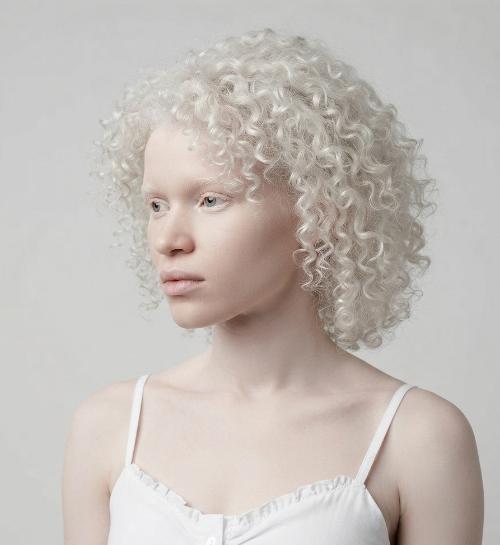
Styling Trends: Elevating Your Natural Aesthetic
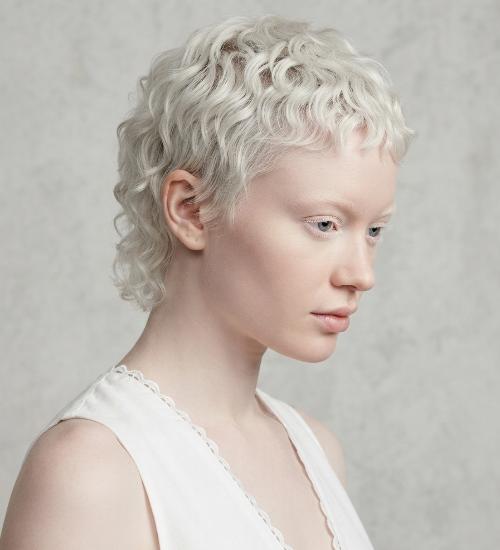
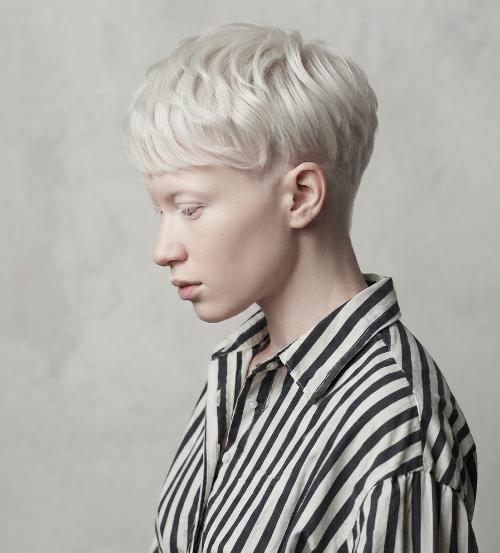
Now that your hair is healthy and hydrated, it is time to have fun with your look. Having natural white hair provides a unique high-fashion advantage—you are essentially sporting the most sought-after “platinum” trend, but with the added benefit of it being entirely yours. Whether you prefer a minimalist, clean-girl aesthetic or a bold, avant-garde style, there are endless ways to play with texture and shape.
The key to a great style for albino hair is emphasizing movement and health. Because the hair is naturally bright, structural cuts tend to stand out much more than they would on darker hair. A perfectly executed haircut will highlight your facial features and bring a luminous quality to your overall look.
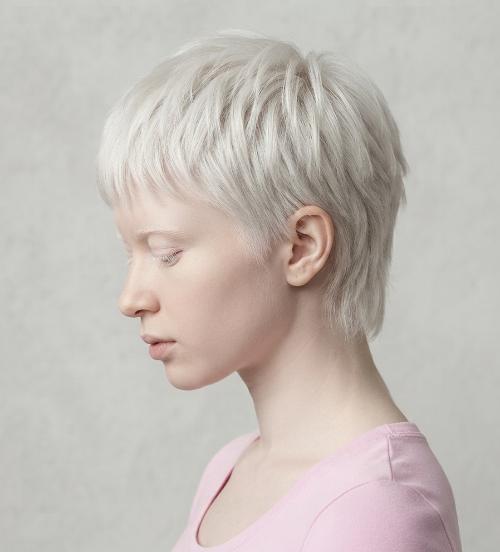
Precision Cuts: The Power of the Bob and Beyond
For those with finer or straighter hair textures, a sharp, blunt cut is a timeless choice. A chin-length bob or a “glass hair” lob (long bob) creates a sense of density and thickness. When the ends are cut precisely, the hair reflects light beautifully, creating a polished, salon-finished appearance every day. If you prefer more texture, ask your stylist for “invisible layers”—these provide movement and volume without compromising the thick, healthy appearance of the ends.
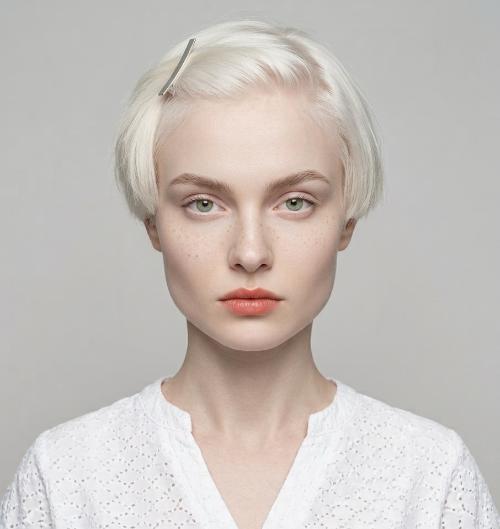
Braids, Twists, and Protective Styling for Coily Textures
For individuals with coily or highly textured hair, protective styling is an art form. Protective styles like knotless braids, twists, and locs not only look incredible but also allow your hair to thrive by reducing daily manipulation. When choosing a style, consider your hair’s need for moisture; opt for styles that don’t pull too tightly at the hairline.
A modern, editorial trend is to leave the edges soft or use a clear, non-greasy edge control to frame the face. Since your hair is naturally white, opting for synthetic or human hair extensions in complementary silver, platinum, or even pastel shades can create a stunning, cohesive, or contrast-filled look. Always ensure your braider uses a gentle hand to maintain the integrity of your follicles.
Playing with Temporary Color and Accessories
One of the greatest joys of having natural white hair is that you have a “blank canvas” for temporary color. If you are feeling adventurous, consider a temporary pastel rinse or a color-depositing mask in soft pinks, lilacs, or icy blues. Because your hair lacks natural pigment, these colors will show up with incredible vibrancy.
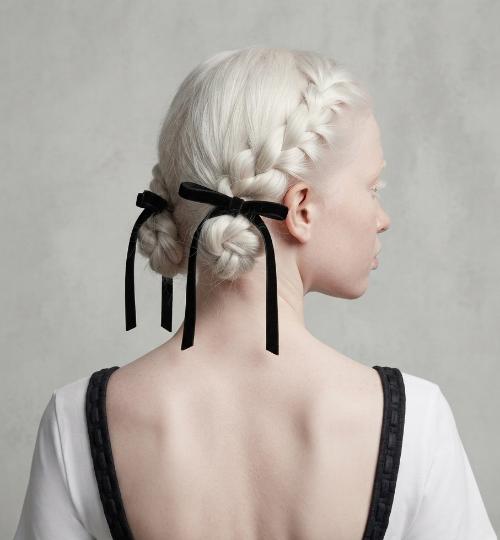
If you aren’t ready for color, hair accessories are your best friend. Because your hair is light, it acts as a perfect background for gold, silver, or bold-colored hair jewelry. High-quality silk headbands or oversized, velvet scrunchies can protect your hair from breakage while adding a touch of intentional style to your outfit.
Can People with Albinism Dye Their Hair? Safest Methods and Expert Tips
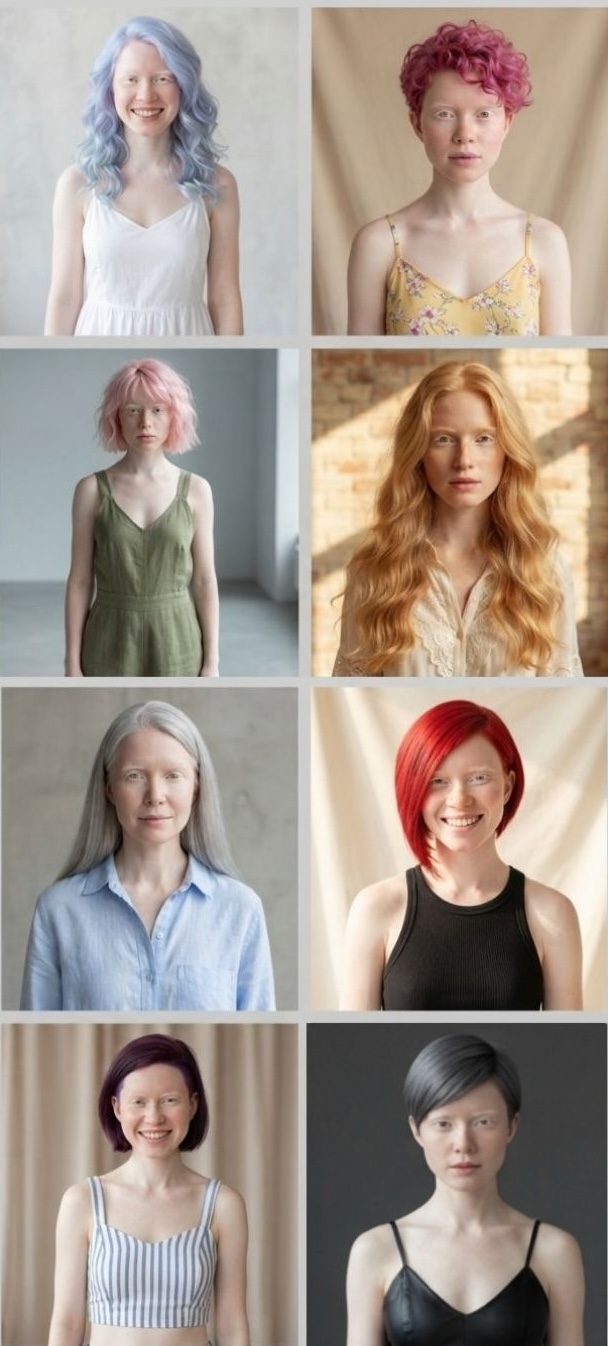
Yes, people with albinism can absolutely dye their hair. In fact, because their hair naturally lacks melanin, they possess the ultimate “blank canvas” that many hair enthusiasts spend hundreds of dollars to achieve. Unlike typically pigmented hair, individuals with albinism do not need to use damaging bleach to strip away natural pigments before applying bright pastel or vivid fashion colors.
The Ultimate Canvas: Because albino hair lacks natural pigment cores, vibrant dyes often apply with incredible, true-to-bottle clarity without prior chemical lightening.
Unique Biological Considerations
While the absence of melanin makes vivid colors highly accessible, the structural biology of albino hair requires specific precautions. Dyeing hair with albinism behaves quite differently than standard salon treatments due to several key factors:
- Fragility and Texture: Albino hair is frequently finer, more delicate, and structurally weaker than pigmented hair types. This makes the strands far more prone to chemical snapping, overlapping damage, and breakage.
- Unpredictable Porosity: Natural white hair lacks a standard pigment core, which can cause it to resist absorbing liquids. Certain permanent dyes might “slide off” or fade within days. Conversely, if the hair cuticle is highly porous, it may grab direct dyes too intensely, making the color incredibly stubborn to wash out.
- Severe Scalp Sensitivity: People with albinism generally have very pale skin that lacks protective melanin. The scalp is highly sensitive to chemical burns, localized allergic reactions, and severe irritation from standard salon formulas.
- The Root Contrast Dilemma: Opting for dark permanent shades like black or deep brown creates a stark, high-contrast root line. As natural white hair grows back in at the roots, it requires frequent chemical touch-ups that can compromise scalp health over time.
Best Practices and Safest Product Choices
To safely achieve stunning color results without compromising hair health or risking scalp chemical burns, professionals recommend the following guidelines:
- Prioritize Direct and Semi-Permanent Dyes: Brands that specialize in direct-deposit pigments (such as Arctic Fox or Strawberry Leopard) are highly recommended. These formulas function like a temporary stain on the outer hair cuticle. They contain zero harsh peroxide developers, ensuring the hair structure remains undamaged.
- Always Execute a 24-Hour Patch Test: Never skip a patch test. Apply a small dab of the chosen dye compound to the inner arm or behind the ear 24 hours before full application to check for severe skin irritation or contact dermatitis.
- Avoid High-Volume Developers entirely: If using a permanent color system is required, stick exclusively to a low 10-volume developer. This is just strong enough to open the cuticle layer slightly without causing significant chemical trauma or hair loss.
- Utilize a Color Filler for Darker Tones: Transitioning from natural white directly to dark brown or black can result in a muddy, translucent, or grayish-green appearance. A professional stylist will typically apply a warm “filler” pigment first to replace missing undertones before depositing the final dark shade.
The Psychology of Style: Owning Your Signature Look
Hair is undeniably a core component of how we present ourselves to the world. For those with albinism, your hair is not just a style choice; it is a radiant, distinctive part of your appearance that naturally draws attention. Developing a positive relationship with your hair—and learning to style it with intention—is a powerful form of self-expression. Confidence is the ultimate accessory, and when you feel good about the health and the look of your hair, that confidence radiates outward.
Do not feel pressured to conform to trends that don’t suit your hair’s unique texture or your personal lifestyle. Whether you prefer a sleek, minimalist cut that celebrates the natural luminosity of your strands or a bold, voluminous style that embraces your hair’s natural pattern, the best look is the one that makes you feel most like yourself.
Partnering with the Right Stylist
One of the most important relationships in your hair care journey is the one you have with your stylist. Finding someone who understands the nuances of hair with albinism—or is at least willing to learn—is crucial. A great stylist should listen to your concerns about fragility, texture, and hair history.
When vetting a new salon, don’t be afraid to ask questions. A professional who is confident in their craft will welcome them. Ask: “Have you worked with hair that has this specific texture before?” or “What techniques do you use to ensure minimal damage when lightening or cutting?” If you feel hesitant or dismissed, trust your gut. Your hair is precious, and you deserve a professional who treats it with the care and expertise it requires.
Cultivating Long-Term Hair Health
Beauty is a long game. The styles you choose today should support the health of your hair for years to come. Consistency is more important than perfection. By keeping your scalp clean, your ends trimmed to prevent split ends, and your strands hydrated, you are ensuring that your hair remains vibrant and strong.
Remember that internal health also plays a role. A balanced diet rich in vitamins—specifically those that support hair and nail growth—can contribute to the vitality of your hair from the inside out. When you combine this internal support with a high-quality external regimen, you create a holistic approach to beauty that truly lasts.
The Future of Your Hair Journey
As we conclude this guide, remember that your hair care journey is an evolving process. Beauty standards in the media are constantly shifting, but the most timeless look is one that is healthy, well-cared for, and authentically yours. Embracing the unique nature of your hair is not just about maintenance—it is a celebration of your individuality. Whether you are rocking a precision-cut platinum bob, protective braids, or a natural curly texture, your hair is a testament to your personal story.
As the beauty industry becomes more inclusive and specialized, we are seeing more products and styling techniques emerge that specifically cater to the unique needs of hair with albinism. Stay curious, stay informed, and never stop experimenting with what makes you feel the most confident. Your hair is your crown; treat it with the respect, care, and creativity it deserves.
Frequently Asked Questions
Answers to the most commonly asked questions:
How can I prevent my hair from turning yellow?
Yellowing is often caused by mineral buildup from hard water or UV exposure. Using a purple-toning shampoo once a week can neutralize brassy tones, while a water filter for your shower head is a long-term investment that prevents mineral deposits from dulling your natural shine.
Is it safe to use heat styling tools?
You can use heat tools, but they should be used sparingly. Always apply a high-quality heat protectant spray beforehand and keep your tools on the lowest effective heat setting. Excessive heat can cause permanent damage to the hair shaft, especially on hair that is already fine or fragile.
Is it normal for albino hair to vary in texture?
Yes, absolutely. Albinism affects pigmentation, but hair texture (straight, wavy, curly, or coily) is determined by the shape of your hair follicles, which is independent of your melanin levels. People with albinism can have any hair texture, just like the general population.
Should I use a heat protectant even if I don’t use hot tools?
Absolutely. While heat is a major culprit, UV rays are just as damaging to hair that lacks melanin. Think of a lightweight, silicone-free heat protectant or a UV-shielding hair spray as your daily sunscreen for your hair. It provides an invisible barrier that keeps the hair cuticle smooth and prevents environmental discoloration.
How can I tell if a product is too heavy for my hair?
If your hair feels sticky, looks stringy shortly after washing, or lacks movement, the product is likely too heavy. Albino hair tends to be very absorbent. If you feel weighed down, try switching to lightweight leave-in conditioners or a water-based styling mousse instead of creams or oils.
Are there specific hairstyles that help protect against UV exposure?
Yes, styles that keep the hair covered are best. Headwraps, silk scarves, or wide-brimmed hats are the ultimate protective accessories. When wearing your hair down, a simple braid can also keep the hair strands compact and less exposed to the elements compared to wearing it loose.
Can I use extensions if my hair is very fragile?
If your hair is fragile, avoid heavy sew-in weaves or tight braids that pull on the roots. Tape-in extensions or halo-style extensions are generally much lighter and less damaging, as they distribute the weight more evenly and require less tension on the scalp. Always consult with a stylist who specializes in delicate hair before committing to extensions.
How often should I get a trim to keep my hair healthy?
For most hair types, a “dusting” (a very minor trim) every 8 to 12 weeks is ideal. This prevents small, inevitable splits from traveling up the hair shaft. If your hair is particularly fine or prone to dryness, you may want to consult your stylist about a slightly more frequent schedule to keep your ends looking blunt and healthy.
Can I switch between protective styles and wearing my hair loose?
Yes, but it is all about timing. Do not transition directly from one tight protective style to another. Give your scalp and hair a “breathing period” of at least one or two weeks between styles. During this time, focus on scalp massages, deep conditioning, and low-tension styles to allow your hair follicles to recover and stay strong.
What should I do if I feel overwhelmed by my hair care routine?
Simplify. You do not need a ten-step process to have beautiful hair. Focus on the “holy trinity” of hair health: a gentle, hydrating cleanse, a deep-conditioning treatment once a week, and a reliable heat/UV protectant. Once you master those three, you can add more complexity only if it brings you joy.
Where can I find more resources on hair health for albinism?
Look for online communities dedicated to albinism awareness, as well as dermatologists or trichologists who specialize in hair and scalp health. Building a network of others with similar hair journeys can provide invaluable advice, product recommendations, and emotional support.
Final Checklist for Radiant Hair
To wrap things up, keep this quick checklist in mind for your weekly routine:
- Moisture: Use deep-conditioning masks to maintain elasticity.
- Protection: Always use a UV-shielding product when heading outdoors.
- Gentleness: Minimize tension from tight elastics or aggressive styling.
- Consistency: Keep your salon appointments for regular dusting to prevent breakage.
Embrace your natural beauty and let your hair shine with confidence.
To summarize your path forward: prioritize gentle, sulfate-free cleansing to maintain your hair’s natural moisture barrier; invest in high-quality, lightweight UV protection to keep your color bright and your strands strong; and always advocate for your hair’s specific needs when working with professional stylists. By balancing these practical habits with a positive mindset, you ensure that your hair remains a vibrant, healthy, and beautiful reflection of who you are. Thank you for embarking on this exploration of hair health and style with us.
Advertisement: